
The bead that
chose you॥
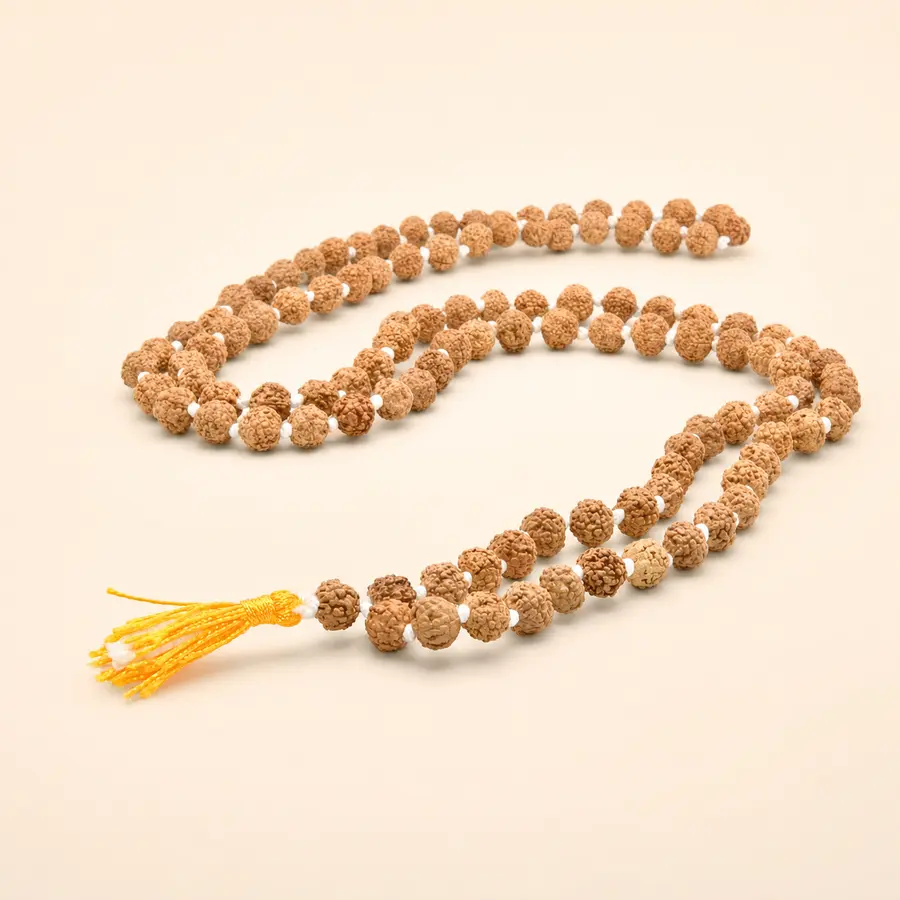
Hand-selected Nepali Rudraksha from the Arun and Tamur valleys of eastern Nepal — the original forest. Knotted in our Kathmandu workshop, shipped quietly to your door.
Listed by the farmers who grew them.
Fresh from the farm. Listed by the farmer. The exact bead you see is the bead you receive — direct, transparent, and authentic.
Beads from the Arun and Tamur valleys around Dingla, photographed and priced by the grower, checked and shipped by us. Their names stay on them.


Name your own price. Growers answer.
Tell the app which bead you are looking for and what you are willing to pay, in your own currency. Growers in eastern Nepal see the request and answer it with a real bead — photographed, measured, and theirs. If one of them accepts your figure, you buy it at your figure. If nobody does, you have lost nothing but the asking.
Ask for a single bead or a whole mala, set your price, and talk to the grower who answers. Ask to be told the moment a bead you want reaches the site.
Photograph a bead where you picked it, set your price in rupees, and answer buyers directly. Your phone tells you the moment a bead is approved onto the site.
Free, and free of obligation — a request is a question, not an order. Android for now; buyers without it can name a price here on the site.
The beads themselves, photographed in Rudraksha Farm.
Faces, ridges and colour as they actually are, under daylight and without retouching. They move on their own — hover to hold one still, or tap any of them to see it large.
Is my Rudraksha real?
Six checks with your bead in hand, the water-test myth answered honestly, and a free opinion on any bead — whoever sold it.
Check your bead →Measure it in millimetres
Photograph the bead beside a bank card and get its diameter by proportion. Nepali beads are the largest — size is evidence.
Measure your bead →॥ रुद्र + अक्ष ॥
The Shiva Purana tells that Mahadev sat in meditation for a thousand divine years — and when he opened his eyes, tears of compassion for all beings fell to the earth. Where each tear landed, a Rudraksha tree grew.
Every bead on this page descends from that story. It is not a gemstone and not a charm — it is held by tradition to be the eye of Shiva himself, worn against the skin.

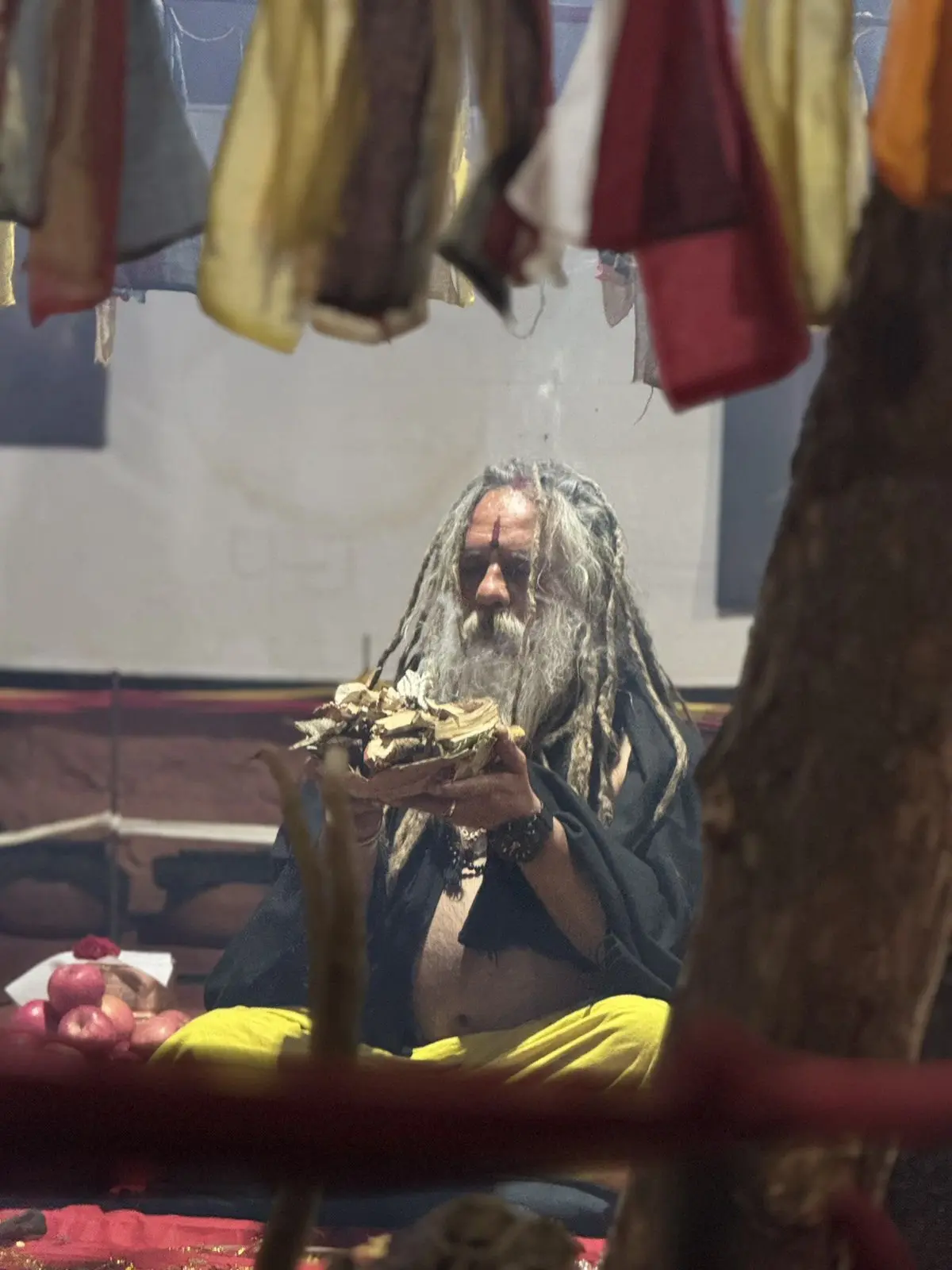
The lamp is lit first.
Incense, a copper lamp, marigolds, and beads laid out on handwoven cloth. The guru is invoked, and the rite the tradition calls pran pratishtha is performed over them — the calling of life into a bead.
It is not a service we charge for and not a photograph we staged. It is the morning, before the shop opens, in Kathmandu.
What pran pratishtha is →Every Mukhi,
one to twenty-seven
Each Rudraksha bears a number of mukhi — faces — and a deity to whom tradition assigns it. The five-faced is the householder's bead. The one-faced is the rarest. Choose by intention, by deity, or by what your hand quietly knows.
॥ For Mukhi 21–27 (collector tier), please enquire on WhatsApp ॥
Where every bead
begins
The Arun and Tamur valleys of eastern Nepal — Bhojpur, Khotang, Sankhuwasabha — are the original Rudraksha belt. The Elaeocarpus ganitrus tree grows wild on these hillsides at the upper end of its range, where the air is thin and the monsoon comes hard.
We don't grow Rudraksha. We buy from families who have collected from the same trees for three and four generations. After Dashain, the beads are washed, dried, and brought down to Kathmandu in sacks. We sit with them, one at a time, under daylight.
Maybe one in fifteen passes. The rest go back. The ones that stay — the round ones, the sharp-ridged ones, the ones whose mukhi lines are clean from crown to base — those are the beads we send out.
"Every bead we sell, we held in our hands first. That's the whole promise."
— The atelier · Kathmandu
Tell us what you're
looking for.
No birth charts. No forms. No pressure. Just a quiet conversation, and a bead that traditionally aligns with your intention.
Siddha Mala
— one to fourteen.
Siddha Mala — Economy
1–14 Mukhi · entry tier
Basic Siddha Mala
1–14 Mukhi · A-grade
Sarva Siddha Mala
All-purpose Siddha Mala
Karya Siddha Mala
Achievement of work
Gayatri Siddha Mala
Gayatri mantra sadhana
Maha Mrityunjaya Siddha Mala
Conqueror of death
Brahma Siddha Mala
The creator’s mala
Indra Mala
The Ultimate · all gods
Mangal Siddha Mala
Mangal Dosha remedy
This month's selection
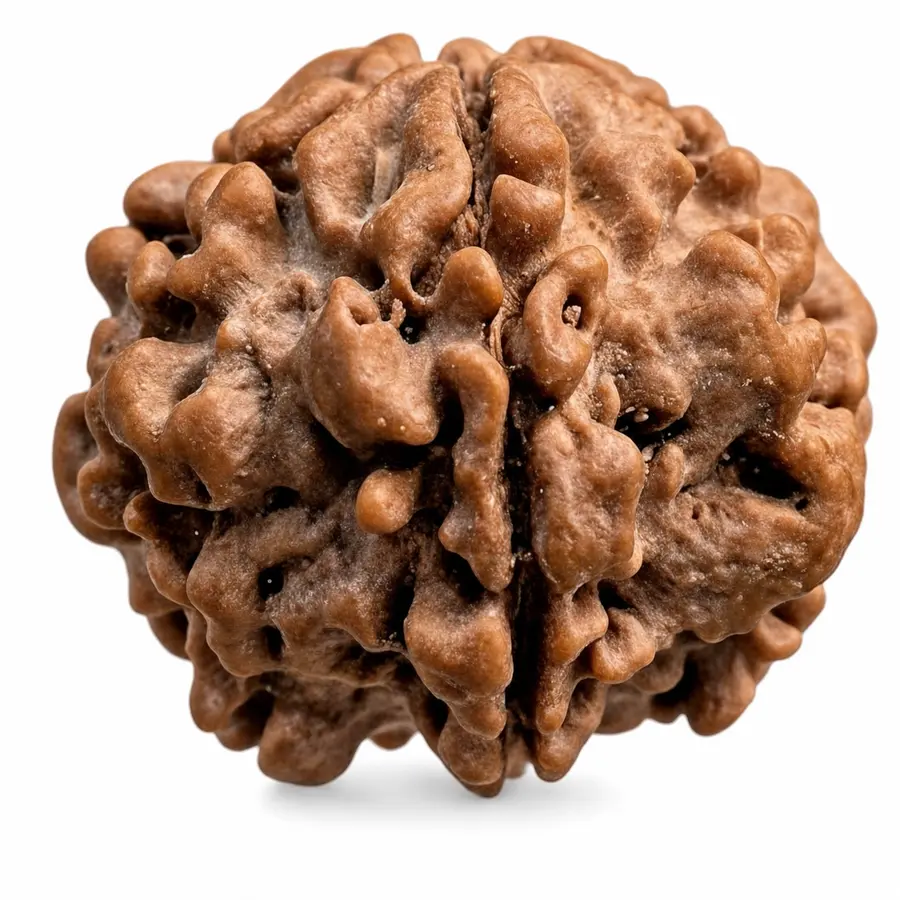
One Mukhi
The supreme bead of Lord Shiva
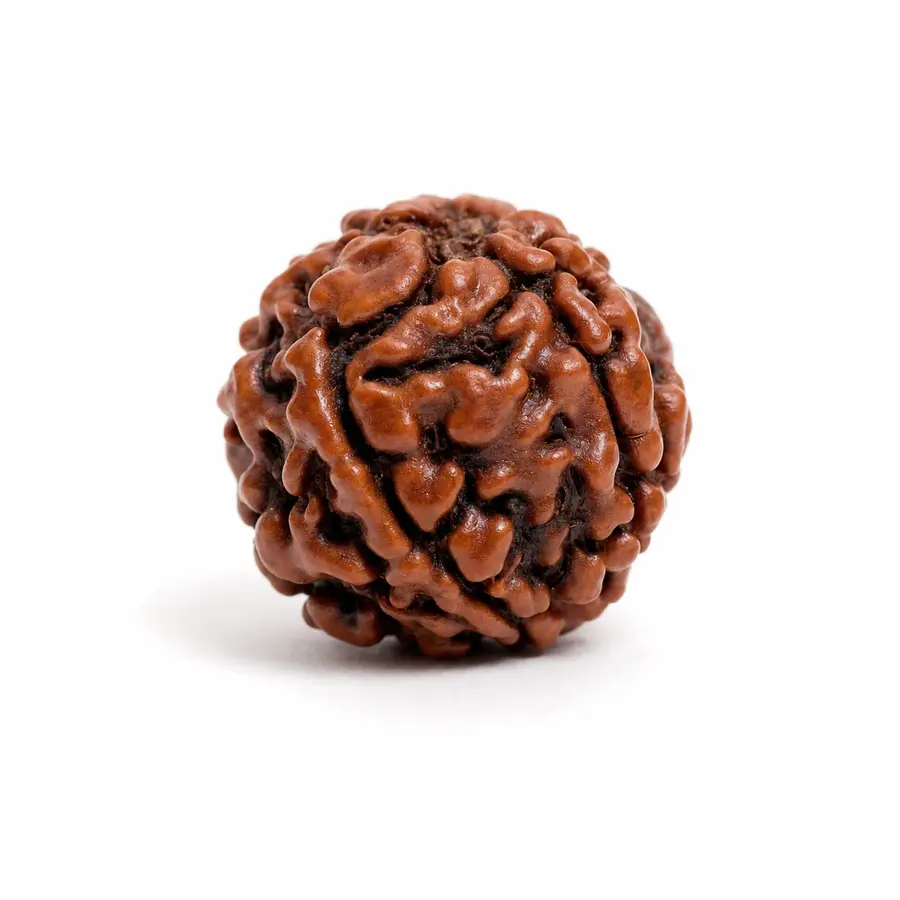
Five Mukhi
Kalagni Rudra · the householder’s bead
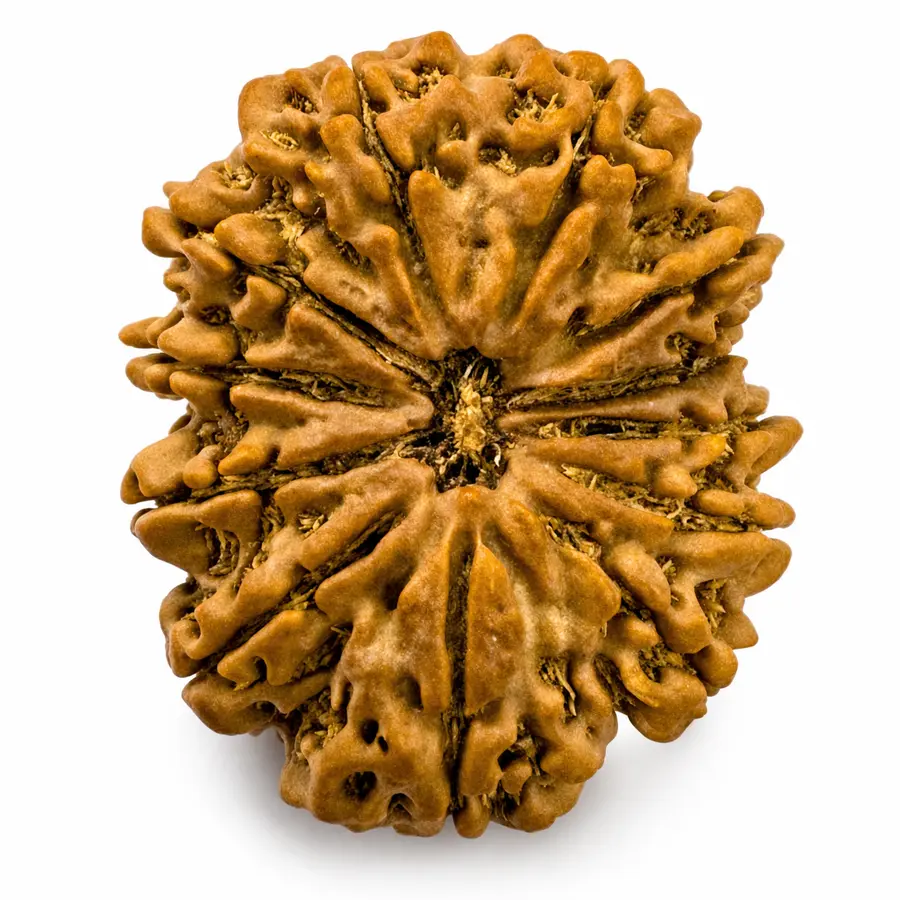
Twelve Mukhi
Surya · radiance
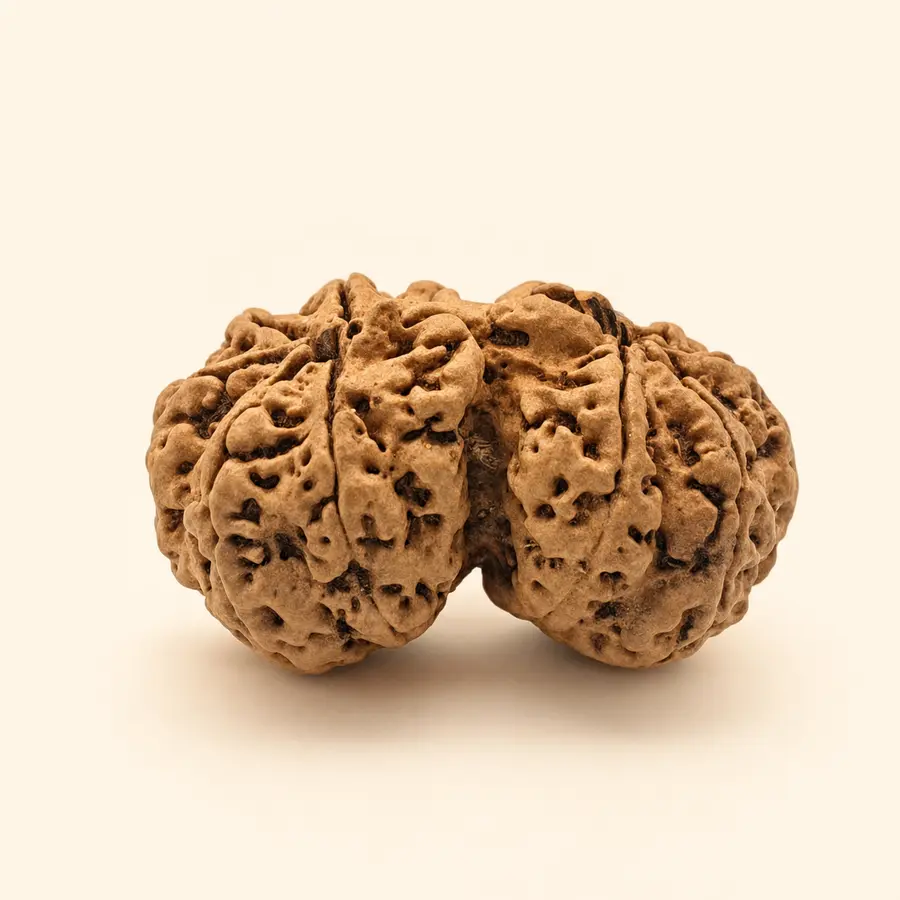
Gauri Shankar
Shiva-Shakti · sacred union
Ganesh
Trunk-faced bead
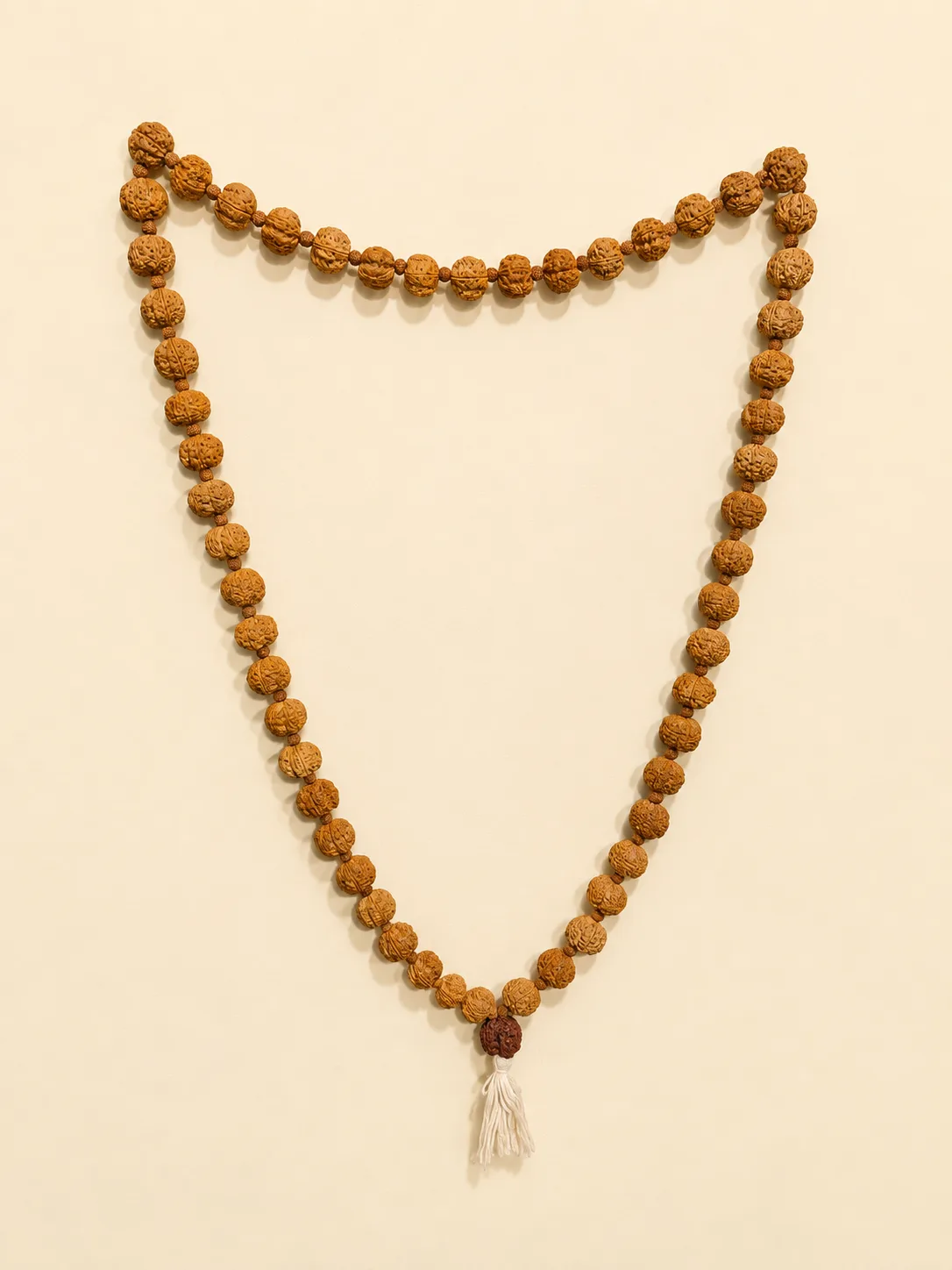
54 Bead 5 Mukhi Mala
22 mm+ · 4 Mukhi sumeru
What you actually
get from us.
Hand-selected in daylight
Every bead we sell, we held in our hand under daylight first. We reject more than we accept.
X-ray on request
Optional independent X-ray laboratory certification confirms internal seed count for 8+ mukhi beads.
Photos before shipping
You see the actual bead — under daylight, with measurements — before any payment moves.
Lifetime authenticity
If it doesn't pass an independent lab, we return your money. Always. No expiry.
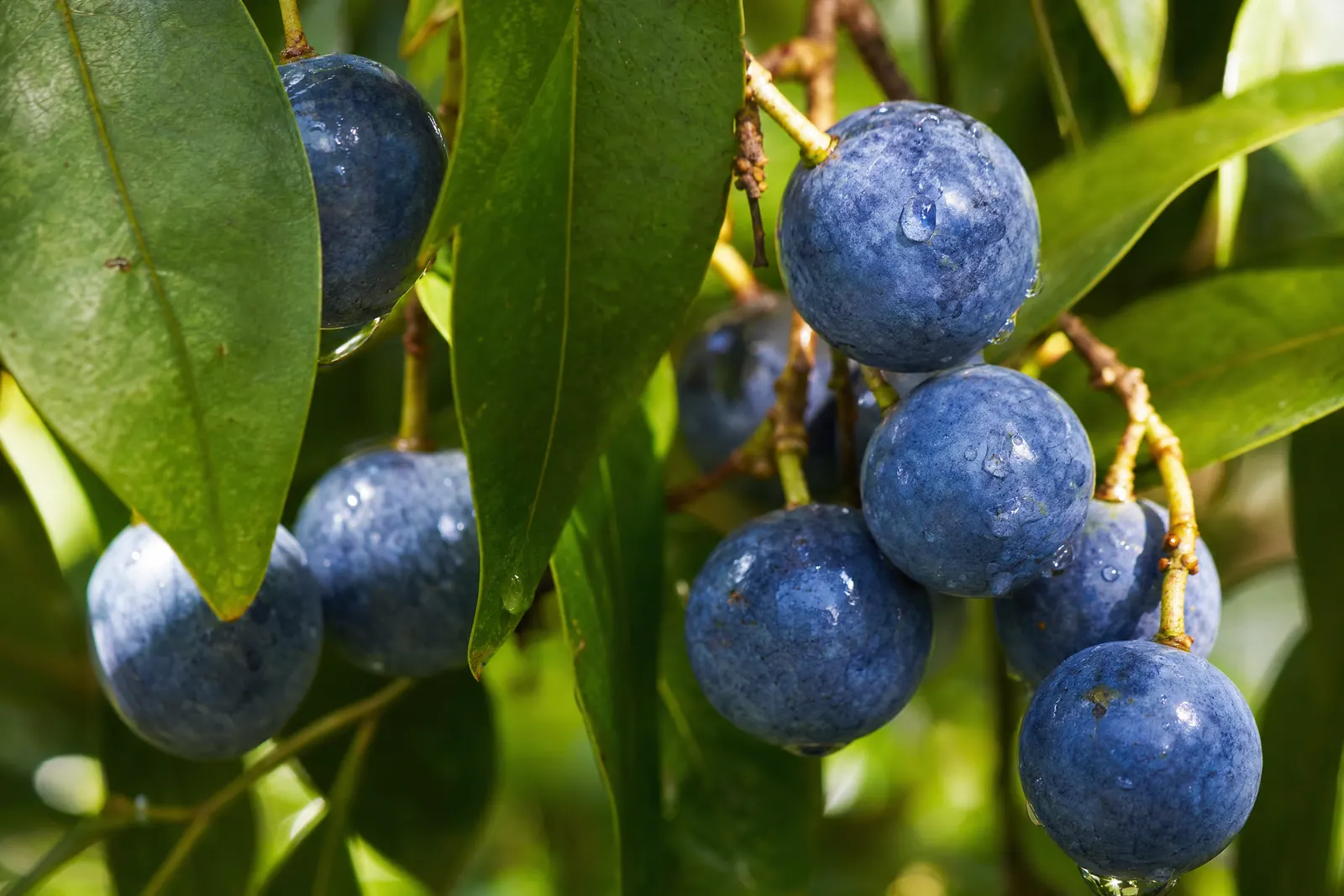
What Is Rudraksha? The Sacred Seed, Plainly Explained
Rudraksha is a Himalayan seed held sacred as Shiva's tears — what it is, how mukhi work, and how to spot a real one, from the farmers who grow them.
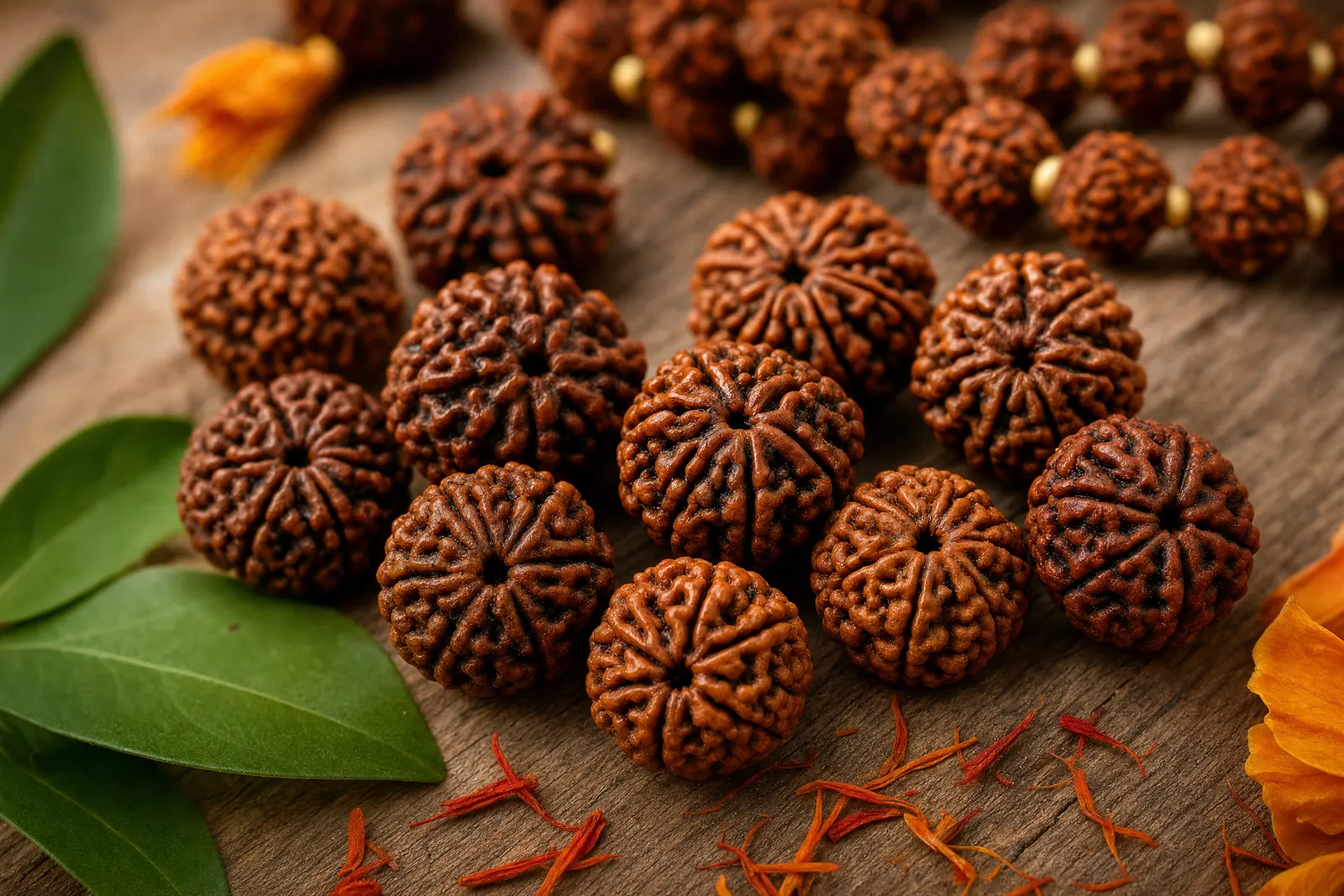
Rudraksha Mukhi Meanings — The Complete 1 to 27 Chart
Every mukhi from 1 to 27 with its deity, planet and purpose, plus which bead fits which intention, from the family that sorts them daily. See the chart.
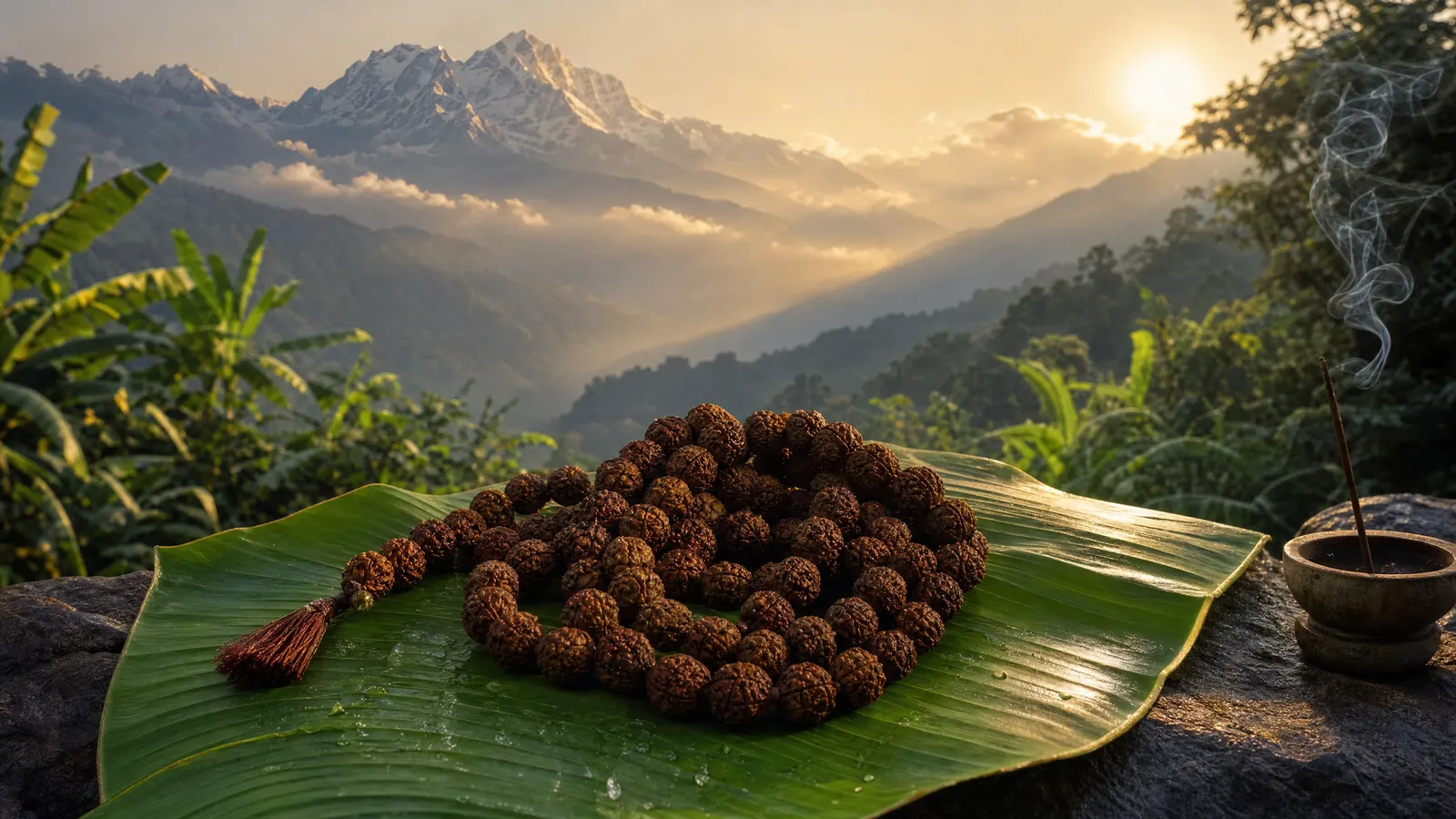
The Number 108 — An Astronomical Coincidence Strung into Every Mala
From forest to your hand.
Six steps. No middlemen. No celebrity branding. No inflated margins. This is how a genuine Nepali Rudraksha travels from the mountain to your door.
Sourced from the Arun Valley
Beads are harvested from the original forest belt in eastern Nepal — the Arun and Tamur valleys above 1,000m altitude, where mineral-rich soil and cold mountain air produce the densest, deepest-ridged Rudraksha on Earth.
Hand-selected under daylight
Every bead is held, examined, and graded individually under natural daylight. We reject more than we accept — only beads with clear mukhi lines, deep ridges, and consistent grain make the cut.
Verified & documented
High-value beads receive X-ray verification. Daylight photos are sent to you before any payment — you see exactly what you are getting, not a stock photo.
Knotted in Kathmandu
Beads are strung on red or white silk thread using traditional knotting methods. Each mala is hand-finished in our Kathmandu workshop by experienced artisans.
Optional Pran Pratishtha
On request, your Rudraksha is energised at Pashupatinath Temple — the world's most sacred Shiva temple — by a qualified Aghori. Photo or video confirmation provided.
Shipped worldwide
Express worldwide shipping from Kathmandu. Tracked delivery in 3–14 days depending on destination. Every package includes a care kit with sesame oil, cleaning brush, and spare thread.
From the people
who wear them.
The bead arrived smaller than I imagined — but the weight of it, in the hand, was something else. The first time I sat with it, I forgot to check the time.
I had been searching for a real Gauri Shankar for years. They sent me three options under daylight before I picked one. That kind of patience is rare.
My mother in Kathmandu received the package and said, "this is the way these things used to be done." That was enough for me.
Everything you need
to know.
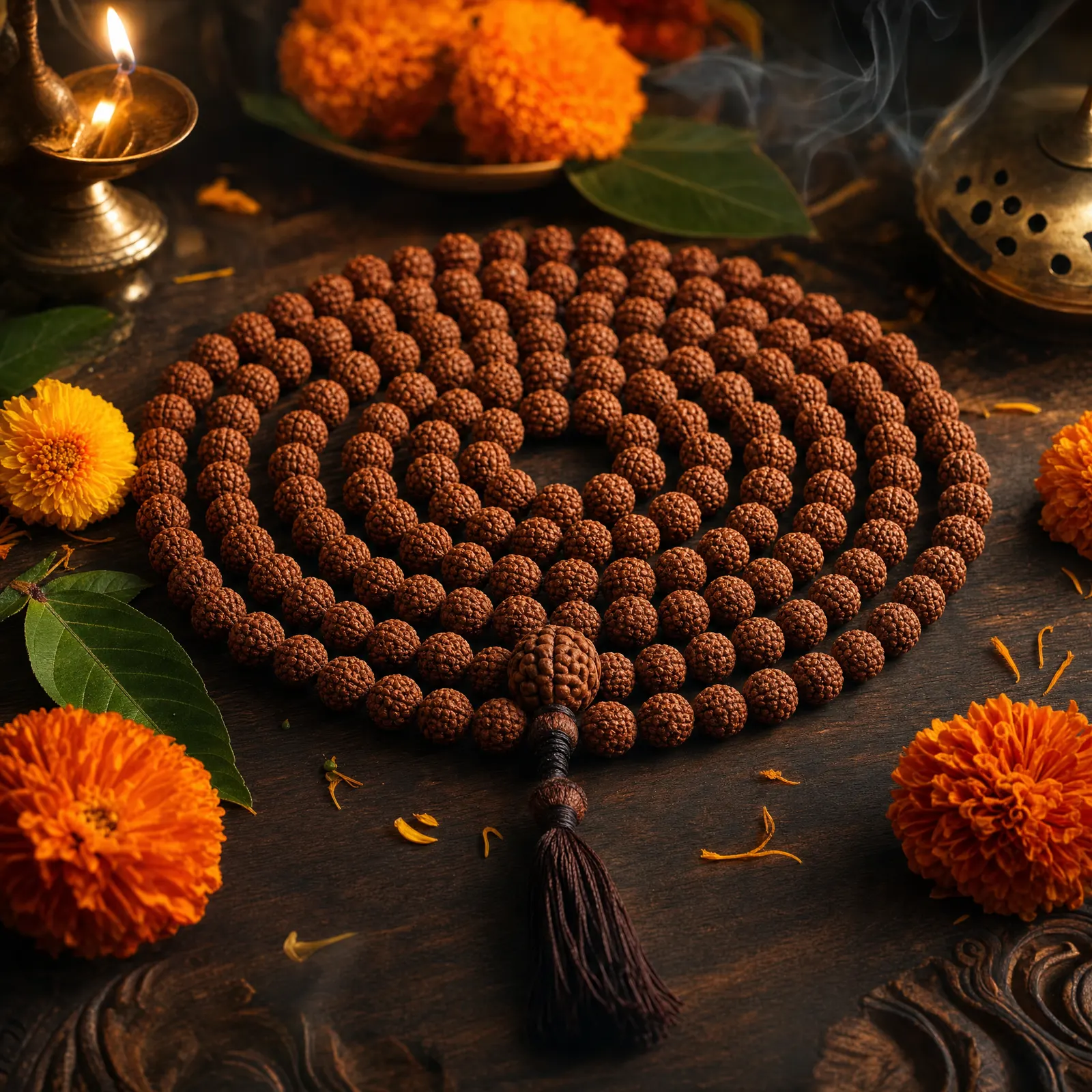
How to Care for Your Rudraksha — The Complete Guide to Cleaning, Oiling & Storage
A Rudraksha cared for with sesame oil and daily reverence outlasts almost everything in a home. Here is the complete guide — from first energisation to long-term storage.
Gauri Shankar Rudraksha Benefits — The Sacred Union of Shiva and Shakti
Two Rudraksha beads naturally joined — the Gauri Shankar is the rarest and most sought-after dual-bead form, representing the eternal union of Shiva and Shakti.
Rudraksha Combinations — How to Pair Mukhi Types for Maximum Effect
One bead for one intention is the beginner's path. Combining beads — worn together or knotted in sequence — multiplies the effect. Here are the combinations the tradition prescribes.
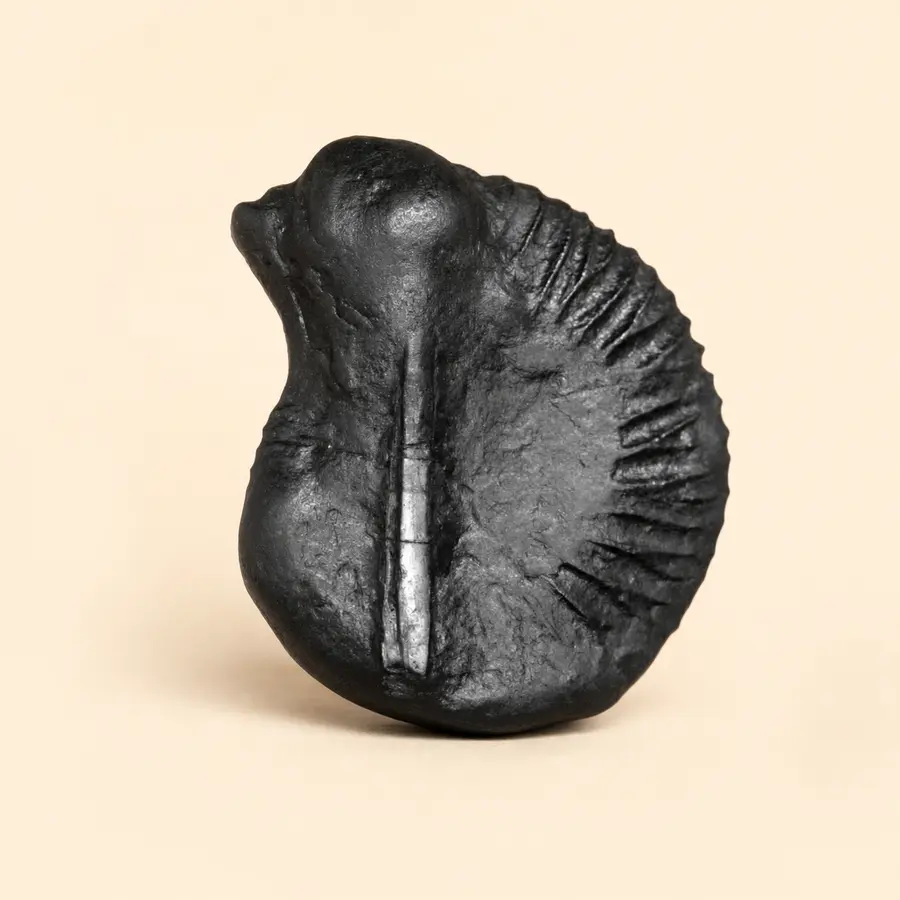
Shaligram — The Living Stones of Vishnu from the Kali Gandaki River
Shaligram — fossilised ammonite shells found only in the Kali Gandaki river — are worshipped as living forms of Lord Vishnu. Here is everything you need to know.
Browse by category.
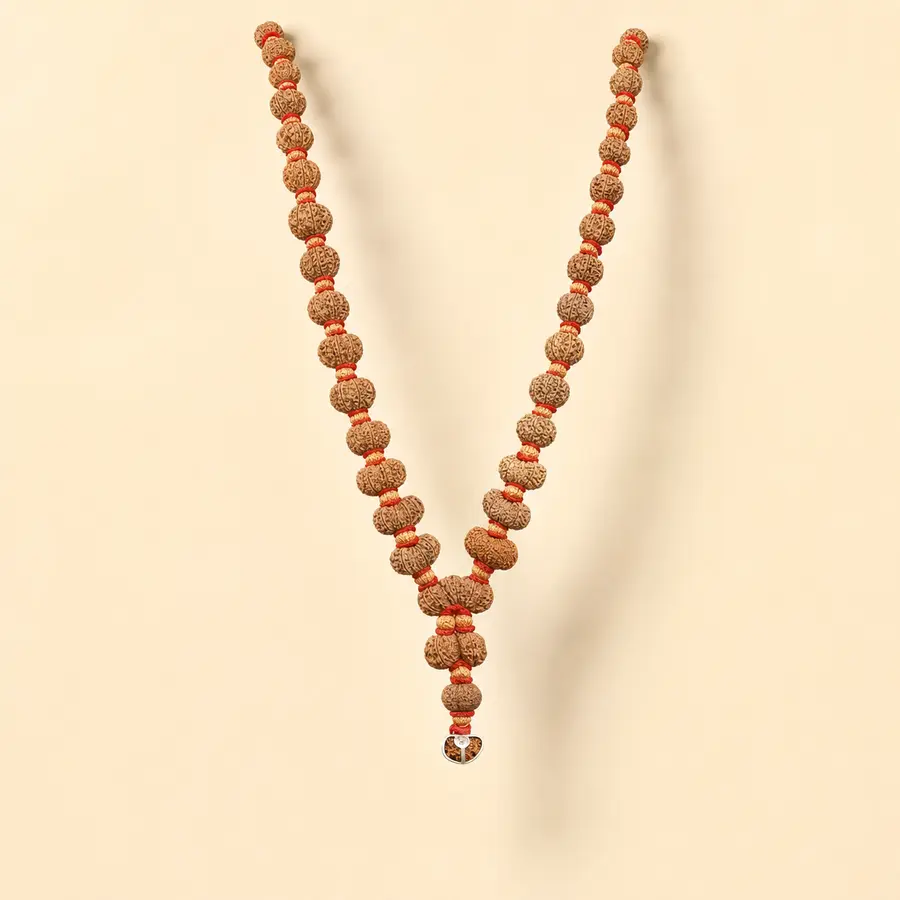
Why buyers choose us.
Lifetime Authenticity Guarantee
If an independent lab finds our bead is not genuine, we return every penny. No expiry, no conditions.
Express Worldwide Shipping
From Kathmandu to 60+ countries. DHL and Aramex, typically 3–12 days, dispatched within 24 hours. Fully tracked.
X-Ray Verified on Request
Independent laboratory certification available for any bead. The gold standard of Rudraksha verification.
4-Hour WhatsApp Response
Real humans in Kathmandu. We reply within 4 hours, 7 days a week. No chatbots, no automated menus.
Founder-Led Operation
A small Nepali workshop — not a drop-shipping chain. The person who sorts your bead answers your messages.
Care Kit Included
Every order includes sesame oil, a cleaning brush, red silk thread, and written care instructions.
Questions we hear
every day.
Are your Rudraksha beads genuine?
Yes. Every bead we sell is hand-selected from genuine Nepali Rudraksha sourced from the Arun and Tamur valleys of eastern Nepal. We photograph your exact piece in daylight before you pay, X-ray verification is available on request, and every bead carries our lifetime authenticity guarantee.
Is rudraksh the same as rudraksha?
Yes — one seed, two spellings of one Sanskrit word. Rudraksha keeps the final short vowel; rudraksh is how most of North India writes and says it. No difference in grade, origin or tradition follows from the spelling, and a seller who implies otherwise is inventing a distinction to justify a price.
How do I know which Rudraksha is right for me?
Take our two-minute guided choice, or message us on WhatsApp. We will discuss your intention, experience level and budget, then recommend the bead that fits. If you would rather choose by chart, the rashi finder computes your Vedic Moon sign in your own browser. No pressure, no sales pitch.
Do you ship worldwide?
Yes — tracked courier from Kathmandu to more than sixty countries, typically arriving within our standard 3–12 day window. We dispatch within 24 hours and send the tracking number the day your parcel leaves. Shipping cost is calculated per order by destination and weight, and confirmed on WhatsApp before you pay.
Can my Rudraksha be energised before shipping?
Yes. Pran Pratishtha is performed at the Pashupatinath temple complex on request, and we send photographs and video of your own bead at the ritual rather than a stock image. The tradition also keeps a simple home procedure, which we will happily send you instead. Neither is compulsory.
What is the difference between Nepali and Indonesian Rudraksha?
Both are genuine seeds of the same tree species, but Nepali beads grow in the Himalayan foothills at altitude, making them larger, denser and more deeply ridged. They are the traditional preference for sadhana, and they honestly cost more. The fraud in this trade is not selling Indonesian beads — it is selling them as Nepali.
How much does Rudraksha cost?
Prices are on request for now. The Five Mukhi, the most common bead, sits at the accessible end, and prices rise with rarity — the One Mukhi, Fourteen Mukhi and Trijuti are priced as the rare pieces they are. We quote per piece, in your currency, against photographs of the actual bead before you pay, and there are no hidden fees.
Do you offer a guarantee?
A lifetime authenticity guarantee: if an independent laboratory determines a bead we sold is not genuine, we refund your full payment, with no expiry. Separately from that, if you simply change your mind, message us within 14 days of receipt and we will settle it on WhatsApp — the bead in the condition we sent it, buyer covering return shipping.
How do I care for my Rudraksha?
Wipe it with a soft cloth, keep it away from perfume, chemicals and heat, and let it dry naturally if it gets wet. Traditional practice oils the beads occasionally with sesame oil and stores the mala in a clean cloth. A daily-worn mala benefits from re-knotting every few years. The full care guide is in our Journal.
We answer every
WhatsApp message
ourselves.
Not a chatbot. Not a sales team. A small workshop in Kathmandu. Tell us what you're looking for — we'll send photos, sizes, and quiet honest counsel.