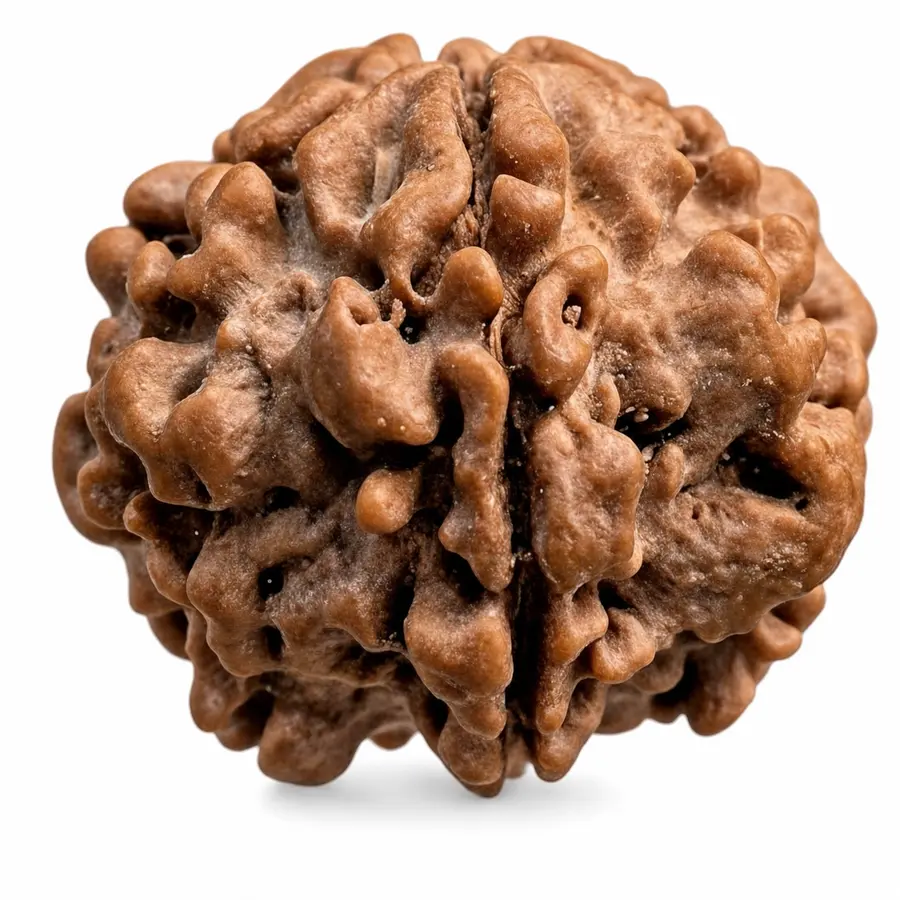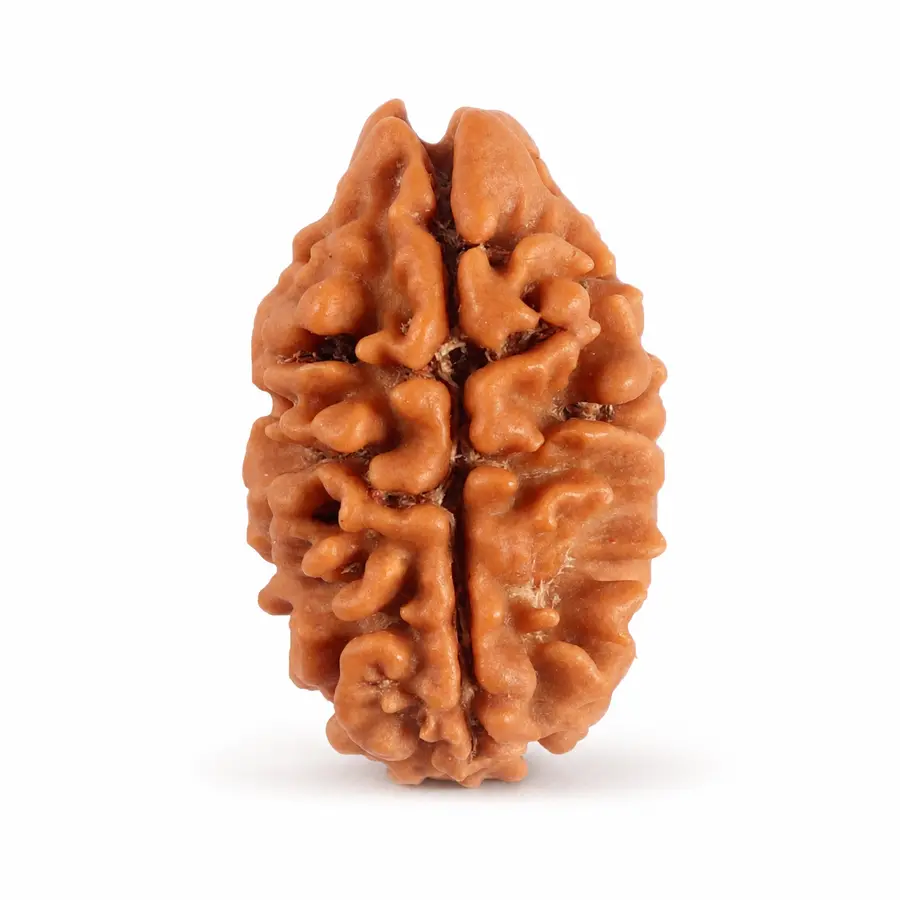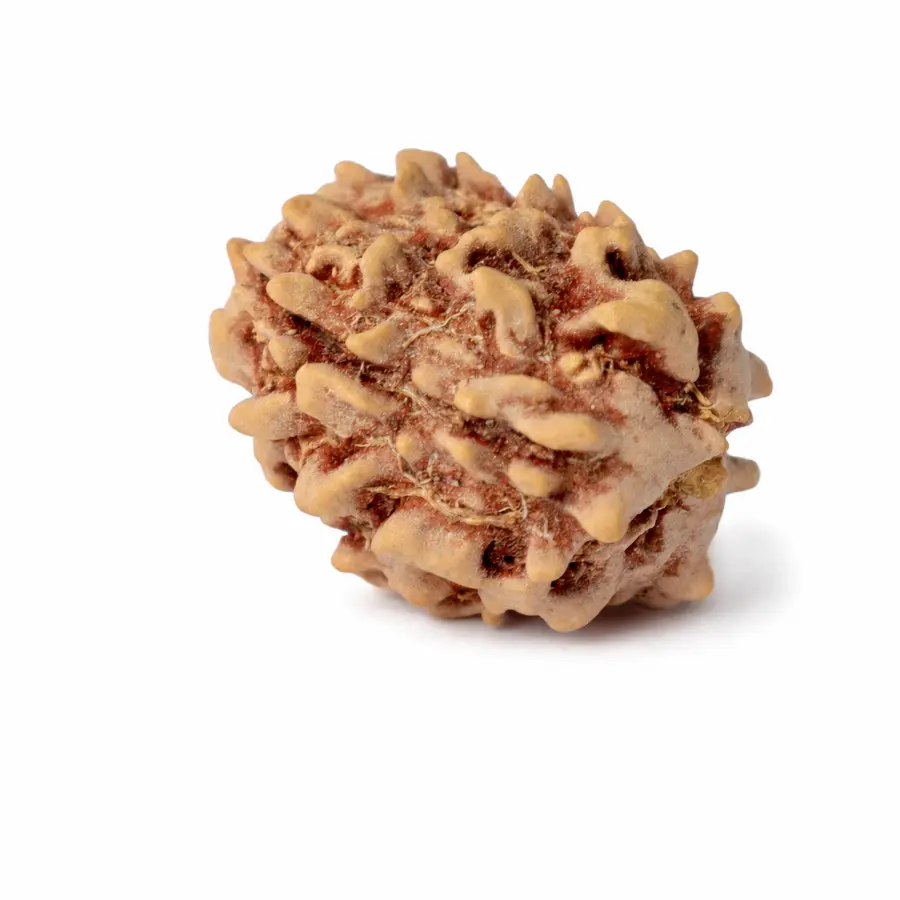
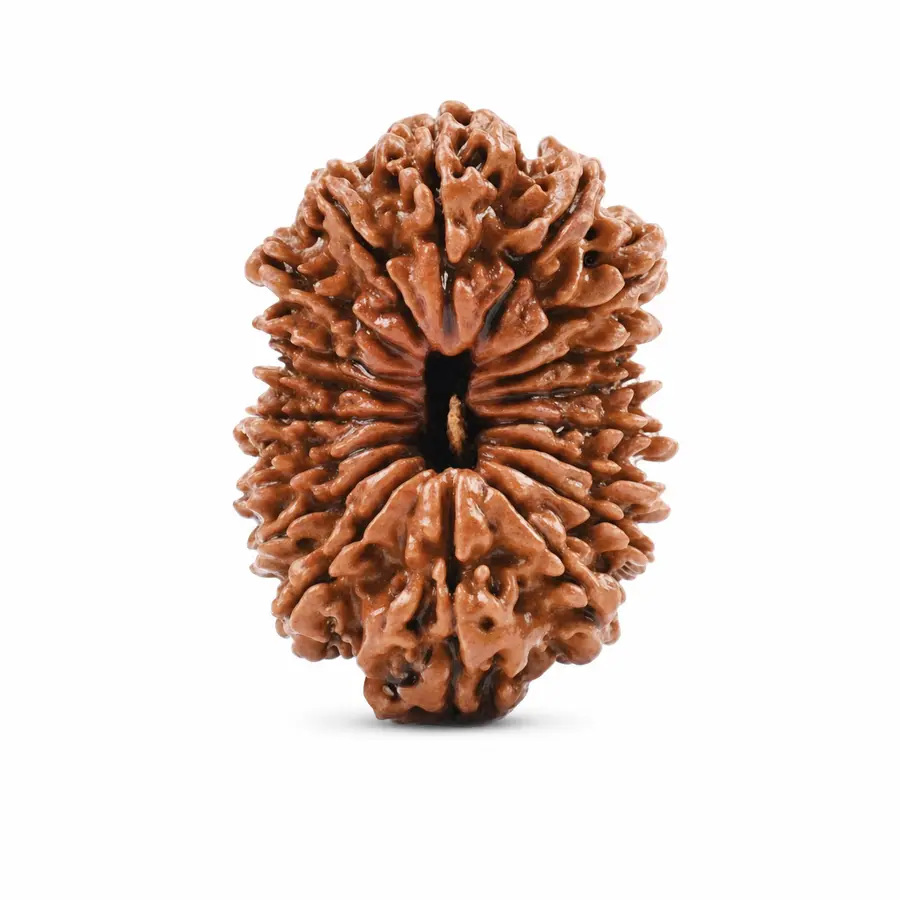
Eighteen Mukhi Rudraksha
Bhumi · the great mother
Extremely rare. Photo + provenance on request.
- Authenticity guaranteeLifetime · written
- X-ray on requestOptional · paid add-on
- Worldwide shipping3–12 days · tracked · your country
- Real human replyWhatsApp · within hours
Traditional significance of the Eighteen Mukhi Rudraksha.
Extremely rare. Photo + provenance on request. The Eighteen Mukhi Rudraksha is traditionally sourced from the Arun and Tamur valleys of eastern Nepal — the Himalayan Rudraksha belt, where the densest, most deeply-ridged beads in the world grow on the slopes above the rivers.
Each bead we sell is hand-selected in Kathmandu, photographed under daylight, and sent only on your WhatsApp confirmation. We don't run on a chatbot or a form — you message us, we reply, and you see what you'll receive before you pay. The spiritual benefits described above reflect traditional Vedic belief; we offer the bead, not the outcome.
How we verify authenticity
- • Visual inspection under daylight by experienced Kathmandu sorters
- • Ridge depth and mukhi-line clarity checked individually
- • Density test — genuine Himalayan beads sink in water
- • Optional X-ray laboratory certification, quoted on request
- • Lifetime authenticity guarantee — full refund if a bead fails any third-party test
Eighteen faces for the Earth mother. The tradition ties this bead to land, harvest, and everything that must be grown patiently from soil — literal or otherwise. It is the farmer's bead and the property-holder's bead in the classical lists.
Its virtue is steadiness: the fertility that comes from tending, not seizing.
Traditionally worn by those whose fortunes rest on land, agriculture, property, and patient cultivation.
These are the associations as the Puranic tradition and living practice hand them down — significance held in devotion, not outcomes we promise. The universal mantra of every Rudraksha remains ॐ नमः शिवाय.
See this exact piece before it ships.
Before dispatch we photograph and film the exact item you are buying — mukhi lines traced, both drill holes shown — and send it to you on WhatsApp.
An authentic bead has as many internal compartments as external faces. Ask and we will X-ray verify your piece and share the image with you.
Choose Pran Pratishtha at Pashupatinath and we share photos or video of your own piece at the ritual before it leaves Kathmandu.
About this piece.
What sizes is the Eighteen Mukhi Rudraksha available in?
Four graded sizes: Regular, Medium, Collector, Super Collector — prices on request. Sizing is confirmed per piece on WhatsApp before you pay, and every size carries the same X-ray verification option and lifetime authenticity guarantee.
What are the benefits of the 18 Mukhi Rudraksha?
Tradition holds the 18 Mukhi Rudraksha — sacred to Bhumi Devi, the Earth herself, and living practice reads its qualities through that association. Traditionally worn by those whose fortunes rest on land, agriculture, property, and patient cultivation. These are traditional associations as the texts and living practice hand them down — not medical claims or promised outcomes. The bead accompanies practice; it does not replace it.
Who should wear the 18 Mukhi Rudraksha?
Traditionally worn by those whose fortunes rest on land, agriculture, property, and patient cultivation. Beyond that traditional affinity, no one is excluded — men, women, and children of any background may wear Rudraksha. If you are choosing a very first bead, the 5 Mukhi is the tradition's universal answer.
How do I know this 18 Mukhi Rudraksha is original?
Count the faces yourself: a genuine bead has complete clefts running from the top hole to the bottom, and an X-ray shows one internal seed compartment for every true face. Every bead we sell is uncut, undrilled beyond its natural channel, and naturally formed — never carved, joined, or repaired. On request we X-ray your exact piece and send you the image before shipping, and every bead carries our lifetime authenticity guarantee.
What is the price of an original 18 Mukhi Rudraksha?
Price follows botanical rarity first, then size, ridge depth, and verification — beads of this rarity are priced individually; ask us on WhatsApp. Be wary of rare counts at miracle prices: genuine rarity always has a floor. Our honest price guide in the journal explains exactly what you are paying for.
Is this Eighteen Mukhi Rudraksha genuinely from Nepal?
Yes — Nepal origin, direct from Nepal to your door. Our beads grow in and around Dingla, in the hills of Bhojpur — the Arun and Tamur valley country of eastern Nepal — and are hand-sorted in our Kathmandu workshop. Before dispatch we photograph and film the exact piece you will receive and send it to you on WhatsApp.
Can this Eighteen Mukhi Rudraksha be energized at Pashupatinath before shipping?
Yes. On request we complete the Pran Pratishtha ritual — energization, or consecration, what the tradition calls abhimantrit — at the Pashupatinath temple complex before dispatch, and share photos or video of your own piece at the ritual.
Do you ship worldwide, and how long does it take?
Yes — we ship express worldwide from Kathmandu. Message us on WhatsApp with your country and we confirm the delivery window before you pay. Most destinations receive orders within 3–12 days.
Is a 18 mukhi the same as a 18 face rudraksha?
Yes — mukhi is simply the Sanskrit for face. A 18 face rudraksha means 18 natural lines running pole to pole with one internal seed chamber behind each, and everything on this page applies under either name. In Hindi the same bead is the atharah mukhi rudraksha (अठारह मुखी); in English, the eighteen mukhi.
Can I wear the 18 Mukhi as a pendant, a bracelet or a mala?
Yes. A single 18 Mukhi is most often worn as a pendant: on red or yellow thread, or capped in silver on request, as a locket at the chest. At this count a bracelet or a full mala means many rare beads, so it is quoted per bead as a custom order; most people wear the 18 Mukhi alone as a pendant, or set it at the centre of a 5 Mukhi strand.
How do I wear the Eighteen Mukhi Rudraksha?
The classical way: begin on a Monday morning after bathing, string the bead on red or yellow thread or in silver, touch it to a Shivling or your altar while repeating Om Namah Shivaya, and wear it at the chest, touching the skin. Remove it before visiting cremation grounds; otherwise it may stay on day and night, including while sleeping. The complete ten-minute first-wearing ritual — and the rules that actually matter — are in our wearing guide.
What is the difference between a Nepali and an Indonesian Eighteen Mukhi Rudraksha?
Both grow on Elaeocarpus ganitrus, but the Nepali bead is visibly larger with deeper, bolder mukhi lines you can read at arm’s length; Indonesian (Java) beads are smaller and shallower-grooved, and honest sellers price them far lower. We stock exclusively Nepali beads from the Arun and Tamur valleys — the full comparison lives in our Nepali vs Indonesian guide.
Going deeper: the traditional associations of every count, honestly framed, are in our benefits guide, with a page devoted to this bead's own benefits and wearing rules, and this bead forms round 18 of the 1–21 Siddha Mala.