Buy rudraksha in the United Kingdom, direct from Nepal.
From Southall to Leicester to a quiet practice room in Edinburgh, the service is the same: photographs and video of your exact bead before any payment if you ask, the lifetime authenticity guarantee, and a tracked parcel from our Kathmandu workshop.
Where to start in the UK
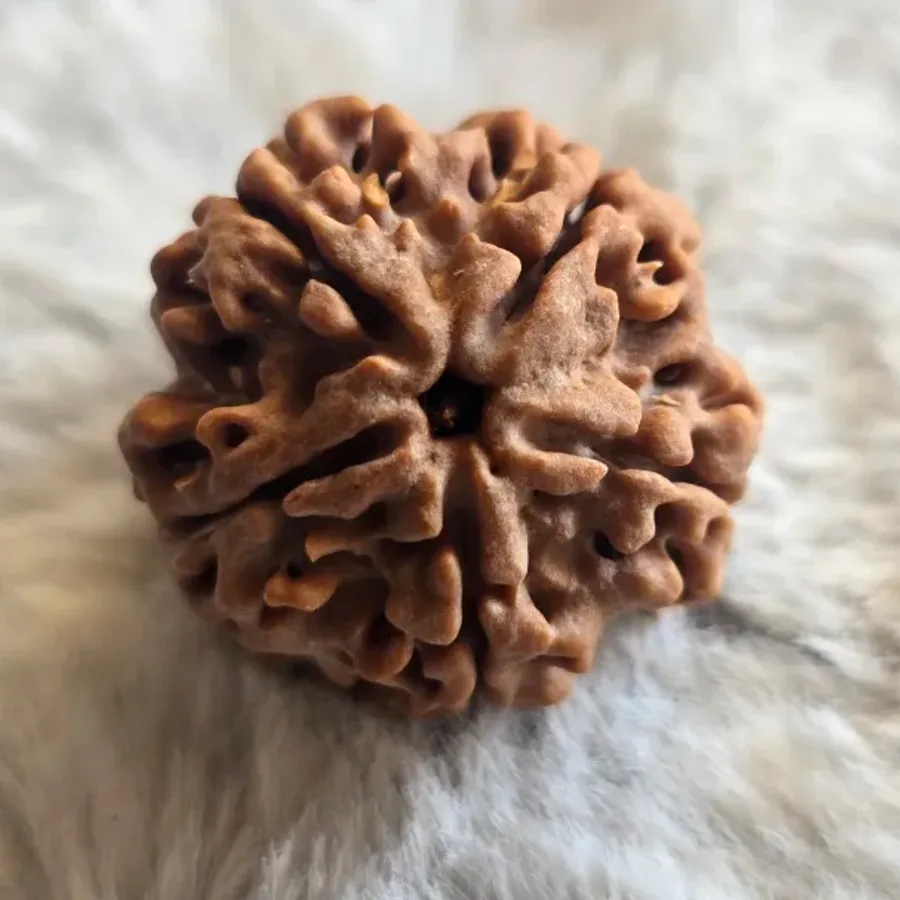
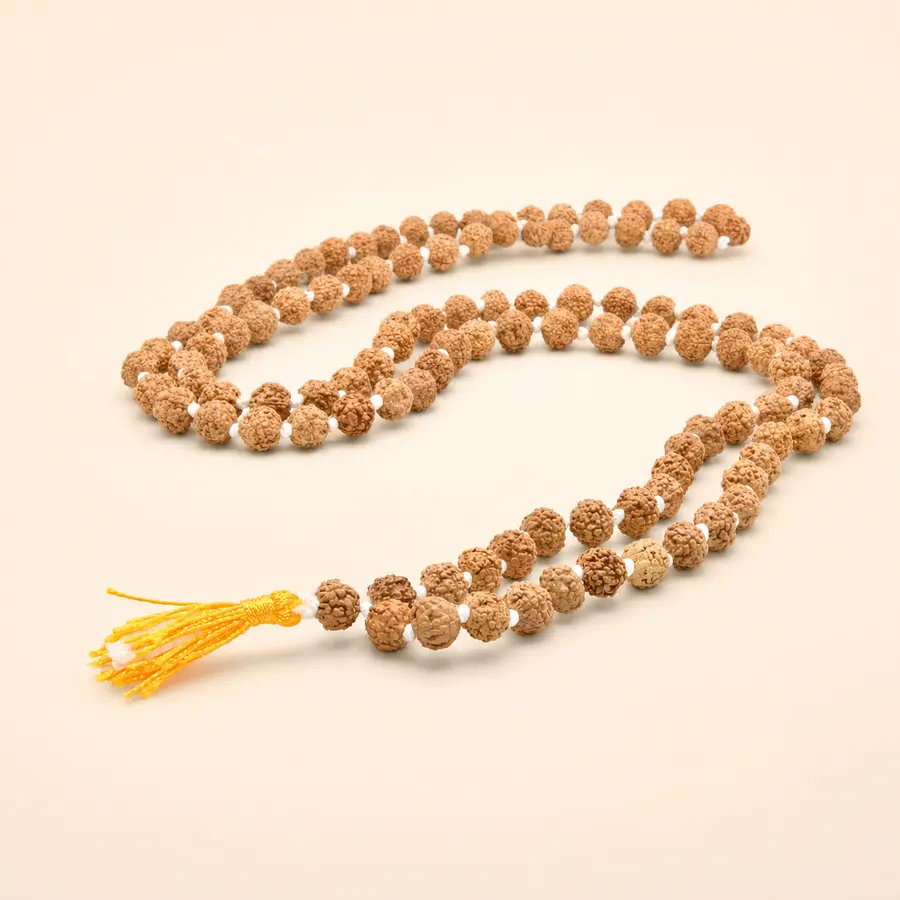
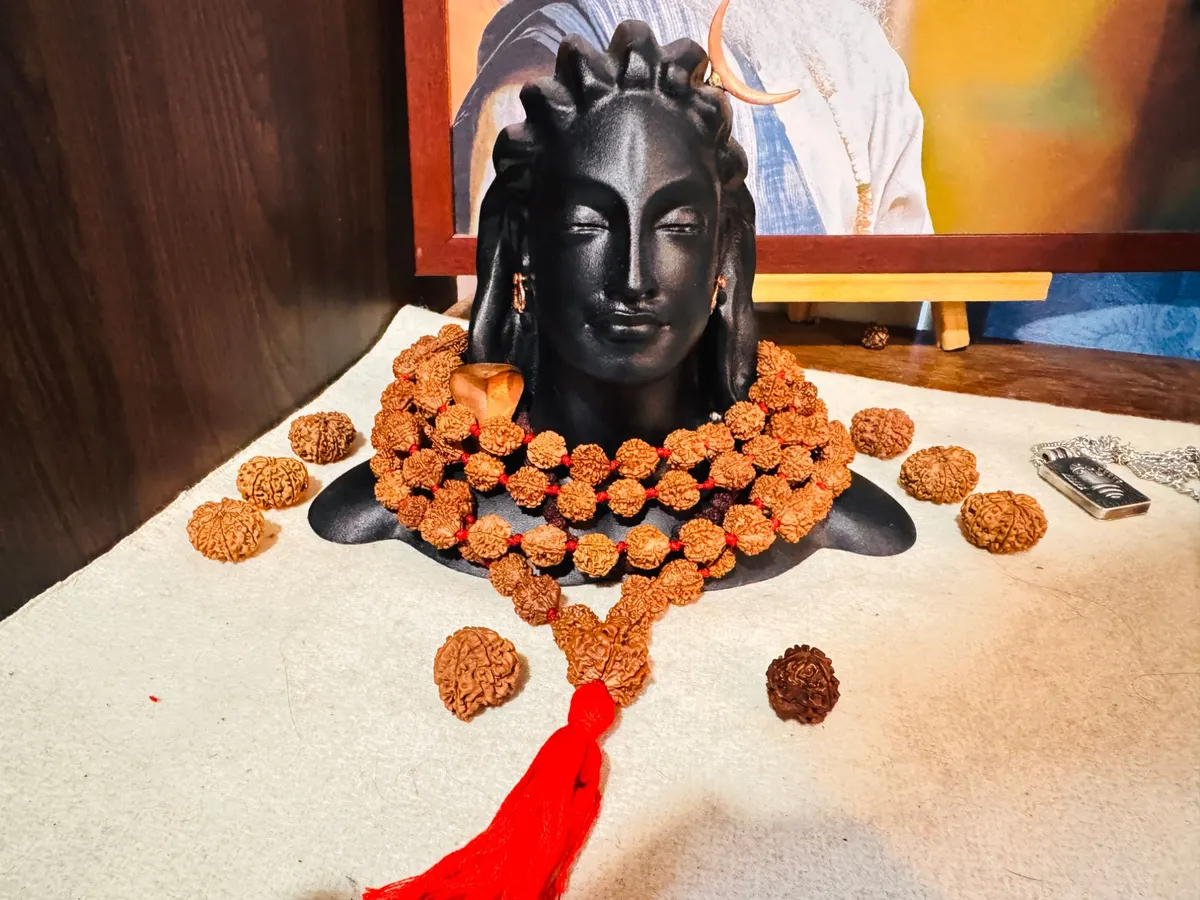
Five pieces with a set price from the shop’s own catalogue, each with its own page, photographs and card checkout. Prices are in US dollars.
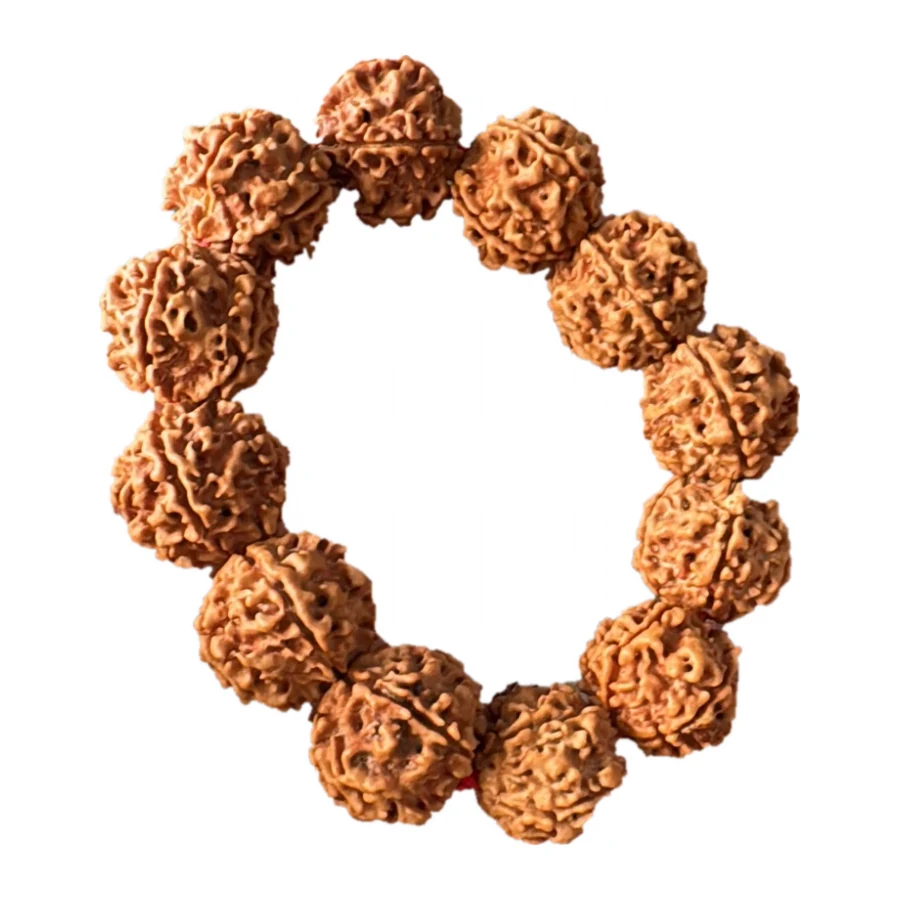
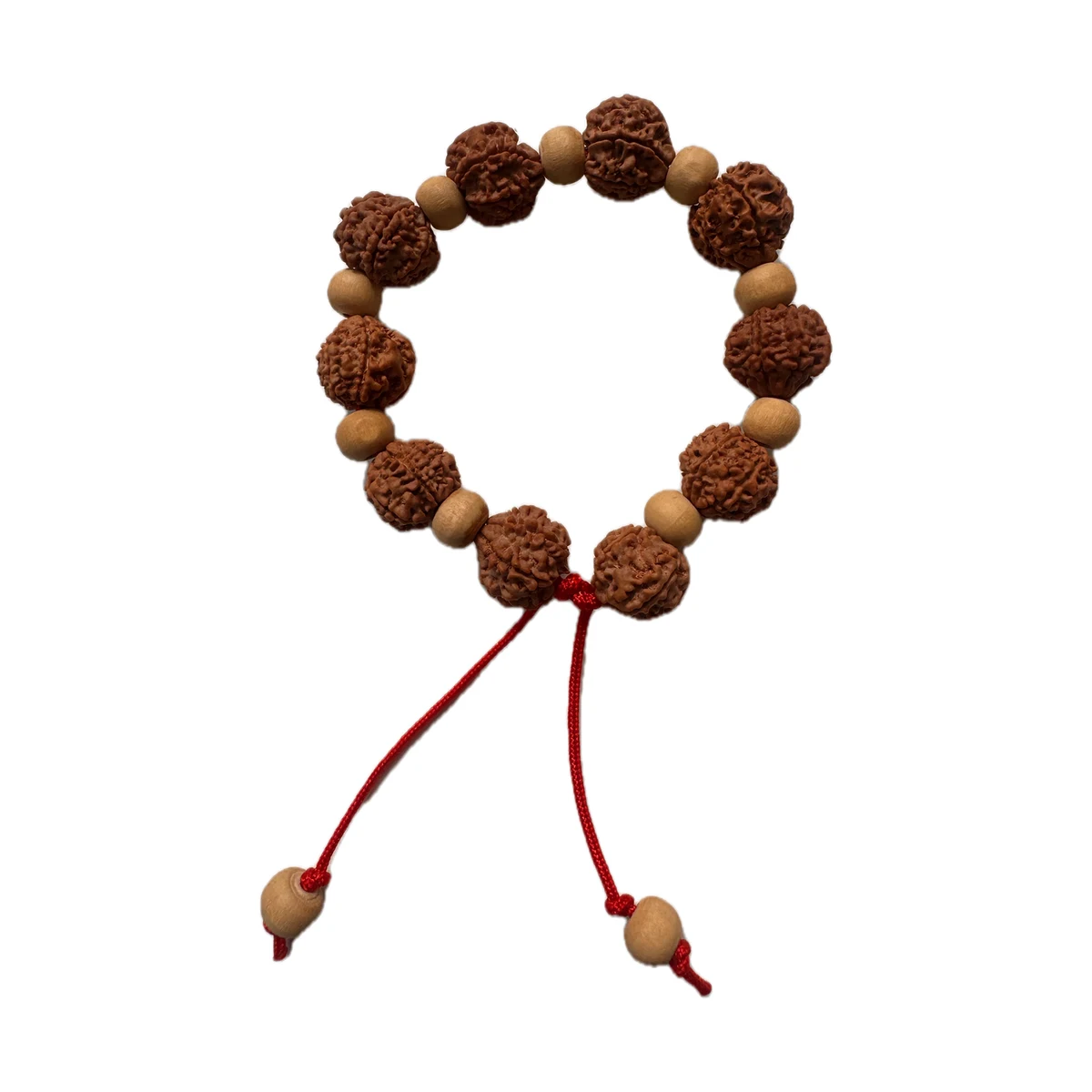
More: every mukhi bead · all malas · all bracelets · bead size guide
What you pay, and how
- Price: the US-dollar price on each product page. Choosing another currency on the page shows an estimate only.
- Shipping: US$40 once per order, however many shop pieces are in it. For example, one Regular 5 Mukhi bead: US$9.50 + US$40 = US$49.50; a 5 Mukhi bracelet and an 8 mm japa mala: US$93.60 + US$40 = US$133.60.
- Delivery: most orders leave Kathmandu within 24 hours of payment; the tracked courier then usually takes 3–12 days. Customs at your end can add time no one controls, so we do not promise a delivery date.
- Card: Visa, Mastercard, American Express or Discover, from the cart. The card is charged in US dollars; your bank converts to your own currency. The cart shows the exact total before you press Pay.
- Not in the total: UK import VAT and any duty, plus the courier's clearance fee — collected by the courier before delivery, not by us.
- Photographs first, if you want them: We send daylight photographs and video of the exact piece on request, before you pay, and always before it ships. A card payment from the cart goes straight through, so ask on WhatsApp before paying if you want them first.
- What is from Nepal: the rudraksha beads are grown in eastern Nepal, in the Arun and Tamur valleys, and the malas and bracelets are knotted by hand in Nepal — in our Kathmandu workshop and by some of the grower families. Thread, tassels and the tulsi wood in the tulsi bracelet are materials, not part of that claim.
- Who sells and ships: Pieces from the shop’s own catalogue are sorted, photographed and packed by the shop in Kathmandu. Beads listed by growers on the new harvest page are priced and delivered separately.
Shipping is set by the country you order from. Sending a gift to another country? Say so on WhatsApp before paying. Full detail: shipping · returns.
Duties, taxes, and honest declarations
UK import VAT and any applicable duty on parcels from Nepal are typically collected by the courier before delivery, under the UK’s post-Brexit import rules. Whatever is assessed is the buyer’s responsibility; we declare shipments honestly as finished seed-bead handicraft and never falsify values.
One change worth knowing, because it catches people out: the relief that once let small parcels into Britain without VAT ended with the post-Brexit rules, so a low value no longer means a clear run. Customs duty is a separate question from VAT and only bites above a threshold the courier will tell you. We are not going to print today’s rates and thresholds as though they were fixed — they move, and a stale number on a shop’s website is worse than no number. Ask us on WhatsApp and we will tell you honestly what buyers in your position have actually been charged.
Plant health rules — why a finished bead is not a seed
Britain has run its own plant health regime since leaving the EU, and the question behind it is a fair one: a rudraksha is botanically the stone of an Elaeocarpus ganitrus fruit, and seeds are exactly what plant health rules exist to control. The answer is that what we send is not planting material in any practical sense. Each bead is dried, cured, cleaned, polished and drilled through its natural channel — a finished article of handicraft, incapable of germinating, and we declare it as precisely that rather than dressing it up as something else. We will say the honest thing rather than the reassuring one: the final decision at any border belongs to UK authorities, not to us and not to any seller who promises you otherwise.
Delivery across the UK — London to Leicester
We ship tracked from Kathmandu to London, Birmingham, Leicester, Manchester, Wolverhampton — and every deliverable postcode between them — typically within our standard 3–12 day worldwide window, tracking shared the day the parcel leaves. The UK holds roughly 1.9 million people of Indian origin by the 2021 census; many readers of this page grew up with these beads on a grandparent’s wrist. This page exists for them, and for everyone who found the tradition later.
What you will not find here is a per-city day count. We publish the 3–12 day window and nothing narrower, because our shipping records do not support anything narrower — a parcel to a Manchester flat and one to Orkney do not behave the same, and a customs inspection adds days no seller controls. Anyone quoting you “three days to London” from the Himalaya is guessing with your patience. Single beads, 108-bead japa malas and rudraksha bracelets all travel the same tracked service, and if you are working towards a particular date — a birthday, a puja, Maha Shivaratri — tell us the date rather than the deadline, and we will tell you honestly whether it is realistic.
Why order from Kathmandu when the UK has sellers?
Honestly: a UK seller will reach you in a day or two, with no customs moment — real advantages, freely granted. British shops and marketplaces sell both Nepali and Javanese beads, and the honest ones price them differently; the four questions on our compare page sort one kind of seller from the other in a single email. What ordering from the source adds is what no reseller can retrofit: japa malas and single beads — prayer beads, in plain English — from the Dingla harvest itself, photographs and video of your exact piece before a pound moves, at the sorting-table price rather than the third markup. Days versus proof; choose with open eyes.
Bracelets, malas, and single beads — which one people here buy
Search from a British address and the word that comes up more than any other is bracelet — for men, for women, and usually as a first rudraksha rather than a devotional one. That is a reasonable place to start. A bracelet is worn on the wrist where you can see it, it survives daily life better than a long strand, and the Five Mukhi it is normally strung from is the bead the tradition holds suitable for anyone, with no rule attached.
Ours are hand-knotted in Kathmandu and priced on their own pages — all on the bracelet page, photographed before they ship. If you would rather count than wear, a 108-bead japa mala is the other common first purchase; if you want one bead on a cord, any mukhi from the catalogue can be strung that way — tell us which and we will send photographs of the actual bead before you decide.
There is no men's rudraksha and no women's rudraksha. The tradition sets no condition of sex, age or caste on wearing one, and any seller who tells you otherwise is selling you a category, not a bead. What differs is size and strand length, and that is a matter of wrist and preference — send us a measurement and we will knot to it.
Ealing Road, the Golden Mile, and the question a shop cannot answer
Britain is unusually well served for this. You can walk Ealing Road in Wembley, or the Golden Mile along Belgrave Road in Leicester, and buy beads over a counter the same afternoon from people who have sold them for decades. Handsworth, Southall, Bradford, the shops near Neasden — the tradition has real high-street roots here, and nothing on this page is an argument against them. Buying from someone who can look you in the eye is a good way to buy.
There is one question, though, that a counter genuinely struggles with: where did this particular bead come from, and can I see it before I commit? A shop buys in bulk, through two or three hands. Nepali and Indonesian beads often sit in the same tray, and even a scrupulous shopkeeper is passing on what a wholesaler told them. That is not dishonesty — it is distance. Buying from the source changes only that: you see photographs and video of the exact piece, you can ask for an honest opinion on a photograph — including of a bead you already own, or one you are about to buy on Ealing Road — and every bead we sell carries our lifetime authenticity guarantee. If you would rather test a British seller than replace them, do exactly that: ask them the four questions and see how they answer.
Prices, and what you pay in
Every product page shows its price in US dollars, with $40 shipping once per order, and you can pay by card in the cart. The card is charged in US dollars and your bank converts; the page can show an estimate in pounds. Rare pieces are quoted on WhatsApp (+977 9716 624 339), in writing, against photographs of the exact bead, before you pay.
Questions buyers here ask
Do you ship Rudraksha to the UK?
Yes — tracked courier from Kathmandu across England, Scotland, Wales and Northern Ireland, typically within our standard 3–12 day worldwide window, with the tracking number sent the day of dispatch and photographs of your exact bead before it.
Will I pay UK VAT or customs charges?
Usually the courier collects any import VAT and duty owed before delivery, per UK import rules for parcels from outside the country. It is the buyer’s responsibility, we declare honestly, and we will tell you plainly on WhatsApp what to expect before you commit.
Is Rudraksha legal to import into the UK?
Our beads are finished handicraft — dried, polished and drilled, not seed for planting — and we declare them that way. The decision at the border belongs to UK authorities; if you want to check with them first, we will give you the botanical name and a description of the goods.
How do I pay from the UK?
By card, in US dollars, and your bank converts to pounds: from the cart for a catalogue piece, where the total with $40 shipping shows before you pay, or by a payment link once we have agreed a price for a rarer piece. Ask on WhatsApp first if you want photographs of the exact piece before you pay.
Is “rudraksh” the same as “rudraksha”?
The same bead and the same word. The Sanskrit is रुद्राक्ष, which comes into English as rudraksha with the final vowel sounded and rudraksh without it. Both spellings are correct. Rudraksh is the more common form in North India and among British Asian families, rudraksha the usual transliteration in English writing, and you will see the two used interchangeably on the same market stall. Nothing about the spelling tells you anything about the bead.
Do you send Shaligram to the UK as well?
Yes — we have, and the arrangements are the same as for beads: tracked courier from Kathmandu within the standard 3–12 day window, photographs of the actual stone before you commit, and a provenance note saying where along the Kali Gandaki it was found. A stone is packed differently from a bead, and import VAT and duty are collected by the courier exactly as they are on any parcel from outside the UK.
The same service reaches Ireland and the wider diaspora across Europe — duties per destination, confirmed before you order. Start where every order starts: the catalogue, the price guide, or a photo request on WhatsApp.
Ask about delivery to your door