Buy rudraksha in Australia, direct from Nepal.
Sydney, Melbourne, Brisbane, Perth — Australian orders arrive by the same road as every other: hand-selected in Kathmandu, photographed and filmed for your approval, then tracked door to door. Australia’s biosecurity questions are answered plainly below.
Where to start in Australia
Five pieces with a set price from the shop’s own catalogue, each with its own page, photographs and card checkout. Prices are in US dollars.
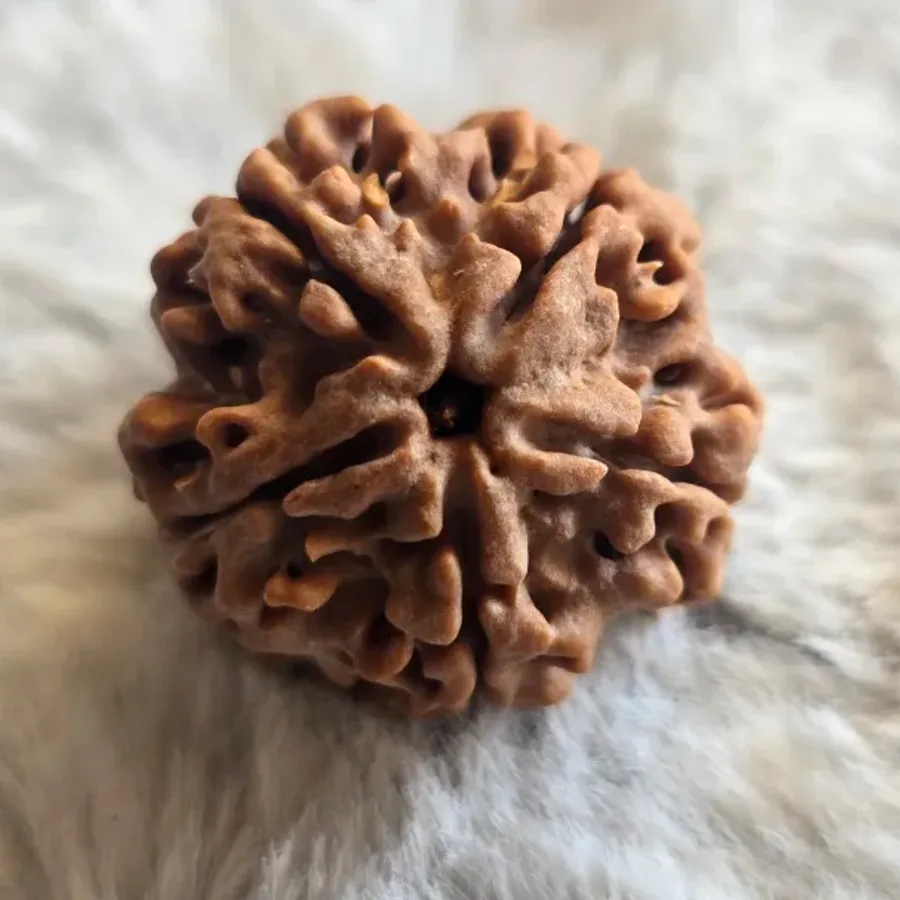
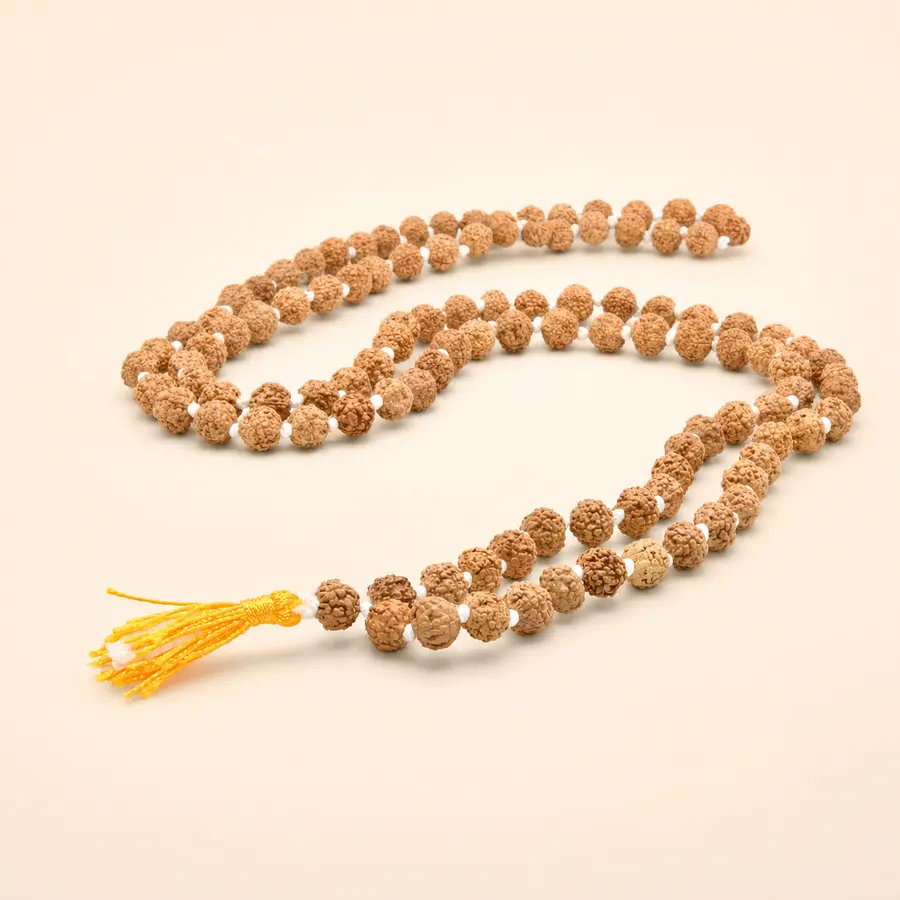
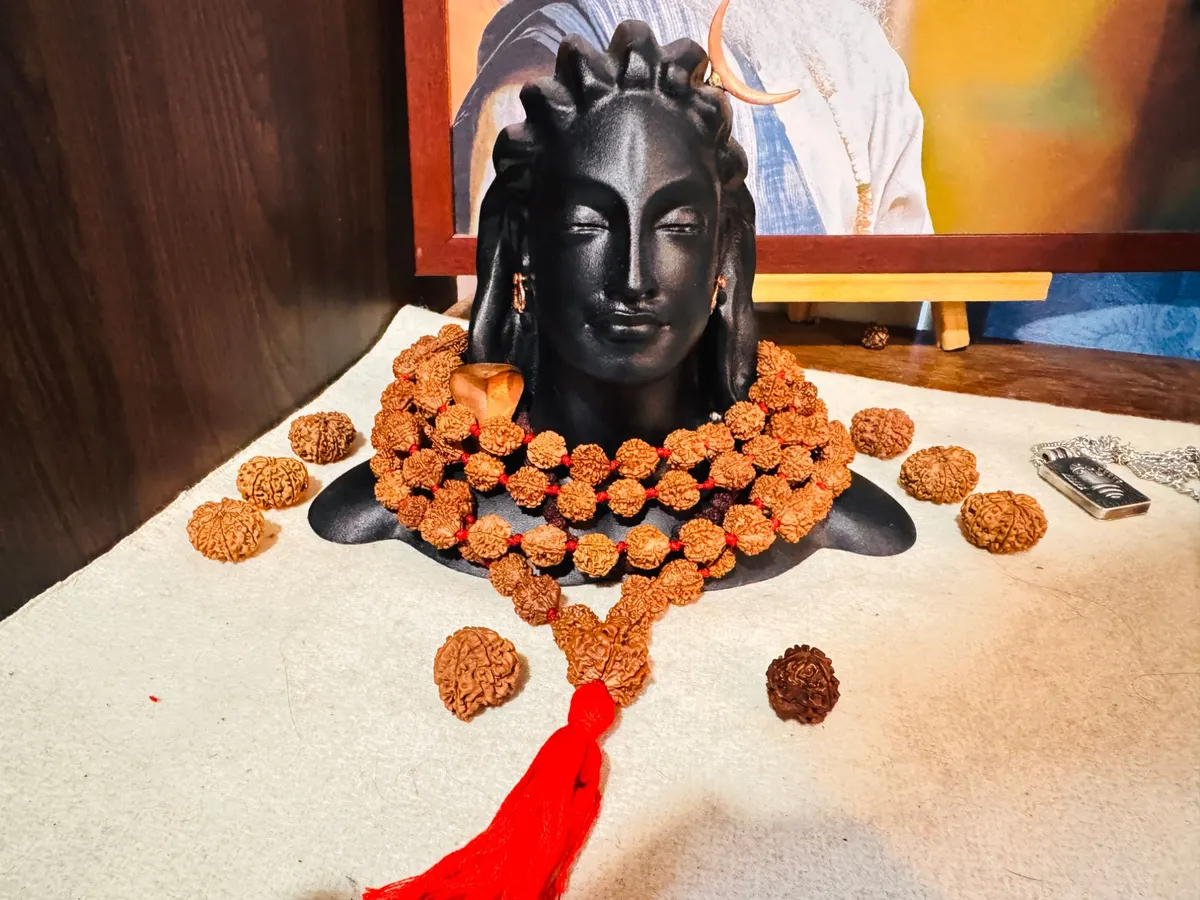
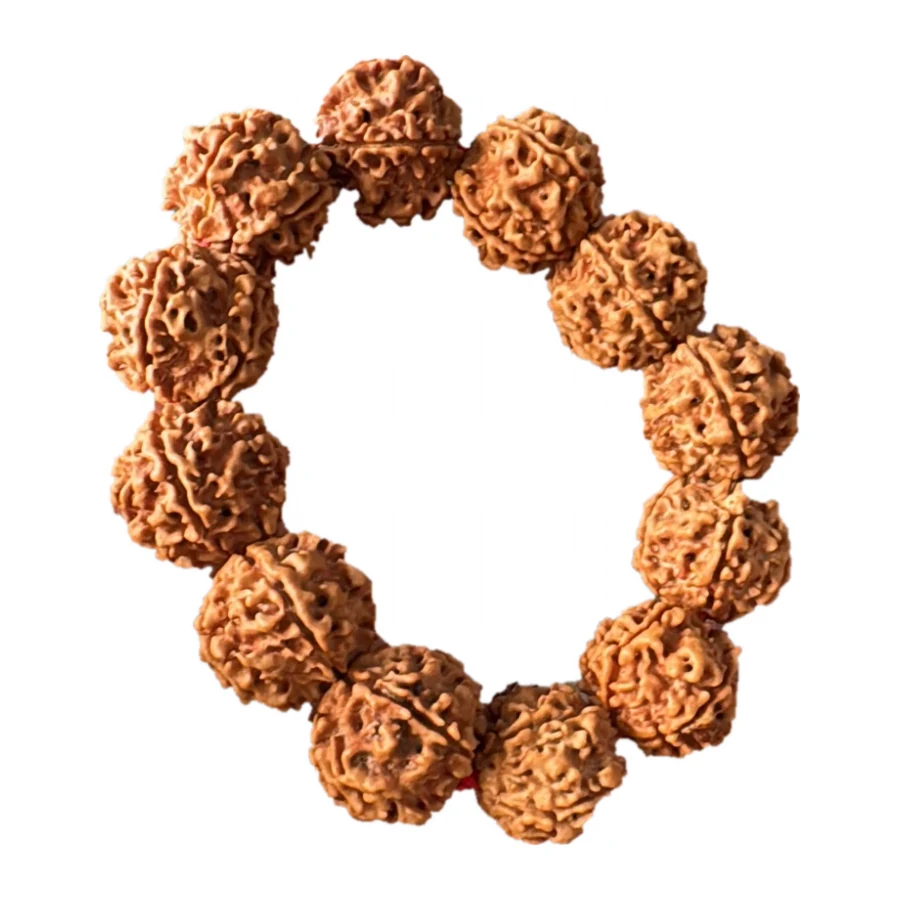
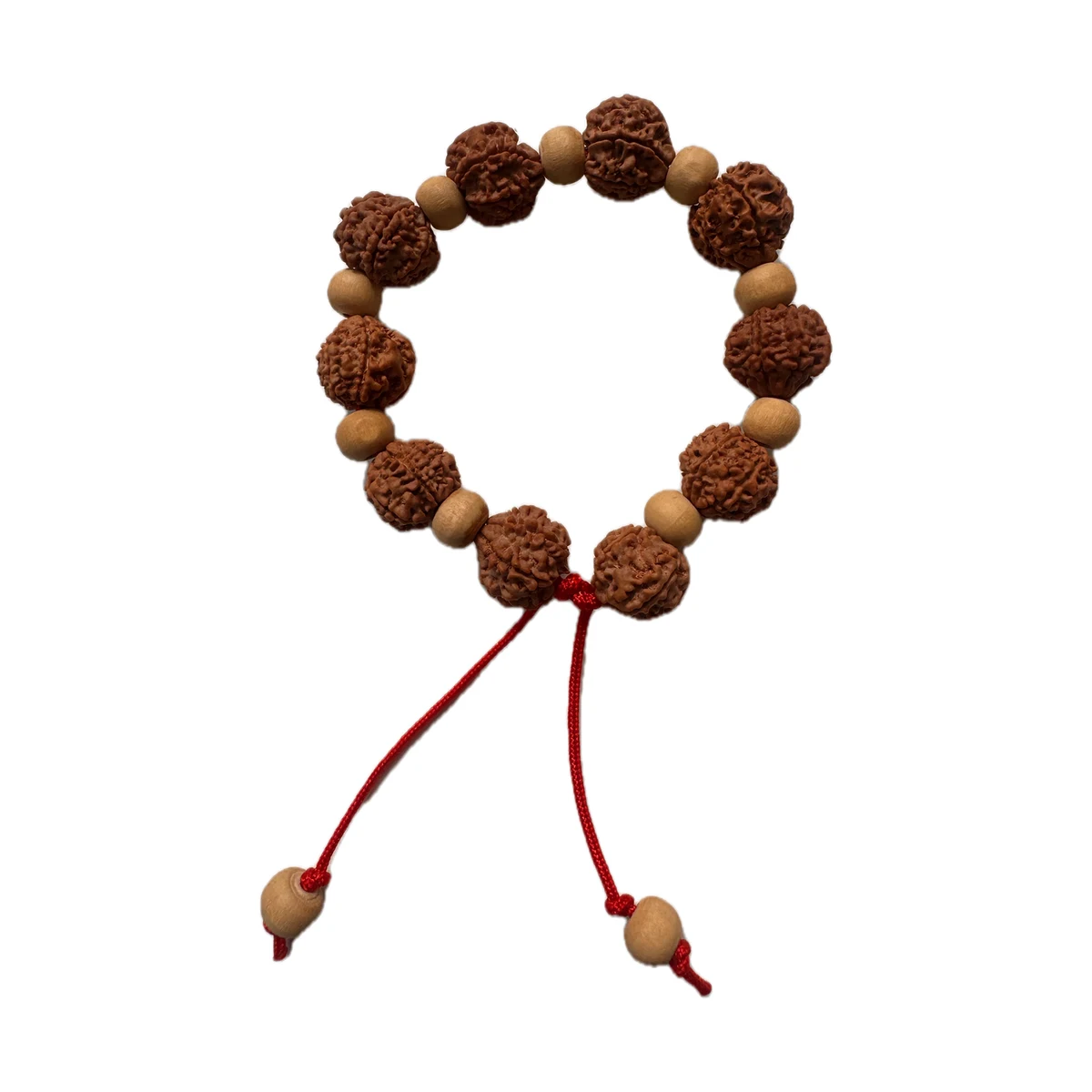
More: every mukhi bead · all malas · all bracelets · bead size guide
What you pay, and how
- Price: the US-dollar price on each product page. Choosing another currency on the page shows an estimate only.
- Shipping: US$40 once per order, however many shop pieces are in it. For example, one Regular 5 Mukhi bead: US$9.50 + US$40 = US$49.50; a 5 Mukhi bracelet and an 8 mm japa mala: US$93.60 + US$40 = US$133.60.
- Delivery: most orders leave Kathmandu within 24 hours of payment; the tracked courier then usually takes 3–12 days. Customs at your end can add time no one controls, so we do not promise a delivery date.
- Card: Visa, Mastercard, American Express or Discover, from the cart. Orders from here are charged in Australian dollars, converted from the US-dollar price at that day’s rate. The cart shows the exact total before you press Pay.
- Not in the total: any GST or duty assessed at the border, and any biosecurity inspection fee the department charges — not collected by us.
- Photographs first, if you want them: We send daylight photographs and video of the exact piece on request, before you pay, and always before it ships. A card payment from the cart goes straight through, so ask on WhatsApp before paying if you want them first.
- What is from Nepal: the rudraksha beads are grown in eastern Nepal, in the Arun and Tamur valleys, and the malas and bracelets are knotted by hand in Nepal — in our Kathmandu workshop and by some of the grower families. Thread, tassels and the tulsi wood in the tulsi bracelet are materials, not part of that claim.
- Who sells and ships: Pieces from the shop’s own catalogue are sorted, photographed and packed by the shop in Kathmandu. Beads listed by growers on the new harvest page are priced and delivered separately.
Shipping is set by the country you order from. Sending a gift to another country? Say so on WhatsApp before paying. Full detail: shipping · returns.
Duties, taxes, and honest declarations
Australian GST and any duty on imported parcels are applied per Australian rules and, where owed, collected before delivery — the buyer’s responsibility. We declare honestly as finished seed-bead handicraft. Australia’s biosecurity regime is strict about plant material: our beads are dried, polished, drilled, finished jewellery — not viable seeds — and we describe them exactly that way on the declaration.
Delivery to Sydney and Melbourne — and everywhere between
Every deliverable address in Australia — Sydney, Melbourne, Perth or anywhere between — rides the same tracked service from Kathmandu, typically within our standard 3–12 day worldwide window. The tracking number is shared the day the parcel leaves. We publish no per-city day counts, deliberately: we will not invent precision our shipping records do not support, and any seller promising “four days to Bondi” from the Himalaya is guessing with your patience. Single beads, japa malas and rudraksha bracelets all travel Australia-wide on the same tracked service.
Biosecurity in detail — finished beads versus viable seeds
Australia publishes a biosecurity import case for this exact item. The Department of Agriculture, Fisheries and Forestry’s BICON database carries a biosecurity import case titled Rudraksha prayer beads, effective 25 July 2026, covering beads brought in as accompanied baggage or sent as consignments through mail centres — so an ordered parcel is squarely in scope. We read the conditions on 13 September 2026 — conditions can change, so check the current case on BICON before ordering — and this is what they said for goods imported for personal use: “A Department of Agriculture, Fisheries and Forestry import permit is not required,” and the goods “must be clean and free of contaminant seed, soil, animal and plant debris and other biosecurity risk material.” On arrival the goods must be inspected — not may be — and “goods resembling rudraksha prayer beads can be released after inspection.” If live insects turn up, the consignment is held for identification and treated, exported, or destroyed; if soil, weed seeds or sticks turn up, the same, unless the contaminant can be removed. Note also that departmental fees are payable for these services under the Biosecurity Regulation 2016, so an inspection is not necessarily free to you. One line in that case deserves separating out, because it decides whether a plan is viable at all: if the beads are not for the importer’s personal use — that is, if you are importing to resell — BICON does not apply the conditions above. It refers you to the case Permitted seed for sowing, which is a far heavier regime of permitted-species status, permits and phytosanitary certification. Anyone thinking about wholesale into Australia should read that case before costing anything, and should not assume a retail parcel’s treatment carries over. Viable seeds for sowing are an entirely different category: permitted-species status, a phytosanitary certificate, full botanical labelling. What we ship is unambiguously the first kind — dried, drilled, polished and threaded beads, cleaned as a matter of craft long before biosecurity ever asked, declared truthfully as finished seed-bead handicraft. And said plainly, because honesty is the house style: the final decision at any border rests with Australian authorities, and nobody — us included — can guarantee clearance. What we control is a clean parcel and a truthful declaration.
Why the beads matter here
Australia now holds roughly 916,300 Indian-born residents — as of June 2024 the largest overseas-born community in the country — and about 197,800 Nepali-born residents, per the Australian Bureau of Statistics; the 2021 Census counted 684,002 Hindu adherents, up 55.3 percent in five years (ABS). For these communities a Rudraksha is not an exotic purchase but a thing from home, and buying it dispatched directly from Kathmandu — photographed and filmed before payment if you ask, always before dispatch — means the bead arrives with its provenance intact rather than laundered through three markups. Many orders are gifts flowing the other way too: paid from Sydney, delivered to a parent in Kathmandu or Chennai; tell us both addresses on WhatsApp. And to answer a common search plainly: there is no Australian rudraksha — the trees grow in the Himalaya and in Java, never here — which is why provenance is the entire question.
And in the yoga rooms, where these are known simply as mala beads or meditation beads, the same questions apply to any seller: where the bead grew, and whether you can see the exact one first. The four questions on our compare page sort one kind of seller from the other in a single email. The importance of a rudraksha mala does not change with vocabulary: a 108-bead japa mala is a mala is a mala; what changes is whether anyone will show you the exact one before you pay.
Prices, and what you pay in
Every product page shows its price in US dollars, with $40 shipping once per order. Orders from Australia are charged by card in Australian dollars, converted from the US-dollar price at that day’s rate, and the cart shows the exact A$ total before you pay. Rare pieces are quoted per piece, against photographs of the actual piece, in writing. One factual note on tax, with no advice in it: under Australia’s low-value imported-goods rules (ATO), overseas vendors whose Australian turnover exceeds A$75,000 a year must collect 10 percent GST at sale on goods valued at or below A$1,000; where GST is not collected at checkout, anything owed is assessed at the border and collected by the courier before delivery — which is exactly what our FAQ below describes.
Questions buyers here ask
Do I need an import permit for rudraksha in Australia?
Not for your own use. BICON’s case “Rudraksha prayer beads” (effective 25 July 2026) states that a Department of Agriculture, Fisheries and Forestry import permit is not required, provided the goods are clean and free of contaminant seed, soil and plant or animal debris. On arrival the parcel must be inspected, and departmental fees are payable for that service under the Biosecurity Regulation 2016 — so budget for the possibility of a charge we do not control and do not collect. If a parcel is found to carry live insects or soil it can be held, treated, exported or destroyed. We ship dried, drilled, polished beads, cleaned as a matter of craft, and declare them truthfully as finished seed-bead handicraft.
I want to import rudraksha to resell in Australia — same rules?
No, and this is the one thing worth checking before you cost anything. BICON applies the personal-use conditions only when the goods are for the importer’s own use. For anything else it refers you to the case “Permitted seed for sowing”, which is a far heavier regime — permitted-species status, permits and phytosanitary certification. Read that case first; do not assume a retail parcel’s easy treatment carries over to a commercial consignment. We will supply whatever botanical detail and documentation the department asks of you.
Do you ship Rudraksha to Australia?
Yes — tracked courier from Kathmandu nationwide, typically within our standard 3–12 day worldwide window. Tracking is sent on dispatch, and photographs and video of your exact bead come before any payment if you ask.
Is Rudraksha allowed in Australia? Will biosecurity clear it?
Finished, dried, drilled seed beads are processed handicraft, not viable plant material, and we declare them exactly that. Border decisions always rest with Australian authorities and the buyer; message us first if you want the declaration wording confirmed for your order.
Will I pay GST or duty on arrival?
Where Australian rules apply GST or duty to your parcel, the courier collects it before delivery. It is the buyer’s responsibility, we declare honestly, and we will tell you what to expect on WhatsApp before you commit to anything.
How do I pay from Australia?
By card from the cart, charged in Australian dollars — converted from the US-dollar price at that day’s rate — with the exact total shown before you pay; or by a payment link once we have agreed a price for a rarer piece. Ask on WhatsApp first if you want photographs of the exact piece before you pay.
Can I bring a Rudraksha mala with me when travelling to Australia?
The same honest principle as shipping: botanically these are seeds, but dried, drilled, polished and threaded they are finished handicraft, not viable plant material. Declare plant-origin items truthfully on your arrival card and let the officer see the mala — the final decision always belongs to Australian biosecurity, and anyone who promises you a guaranteed outcome at a border is guessing with your journey.
Where to buy rudraksha beads in Australia?
Shops and marketplaces in Australia sell rudraksha; whoever you buy from, ask where the bead grew and to see the exact one before you pay. From us, every shop piece has its own page with a US-dollar price and card checkout, and it is sent tracked from Kathmandu to any Australian address.
Singapore, Malaysia, the Gulf, Mauritius and Trinidad are served by the same tracked service — duties per destination, WhatsApp confirmation before every order. Ready to buy rudraksha? Australia-wide the route is one message. Start where every order starts: the catalogue, the price guide, or a photo request on WhatsApp.
Ask about delivery to your door