
Buy rudraksha in the United States, direct from Nepal.
Original Nepali rudraksha — single beads, 108-bead japa malas and bracelets — sent tracked from our workshop in Kathmandu to any US address. Every product page shows its price in US dollars, you can pay by card from the cart, and you can ask to see photographs and video of the exact piece before you pay.
Where to start in the US
Five pieces with a set price from the shop’s own catalogue, each with its own page, photographs and card checkout. Prices are in US dollars.
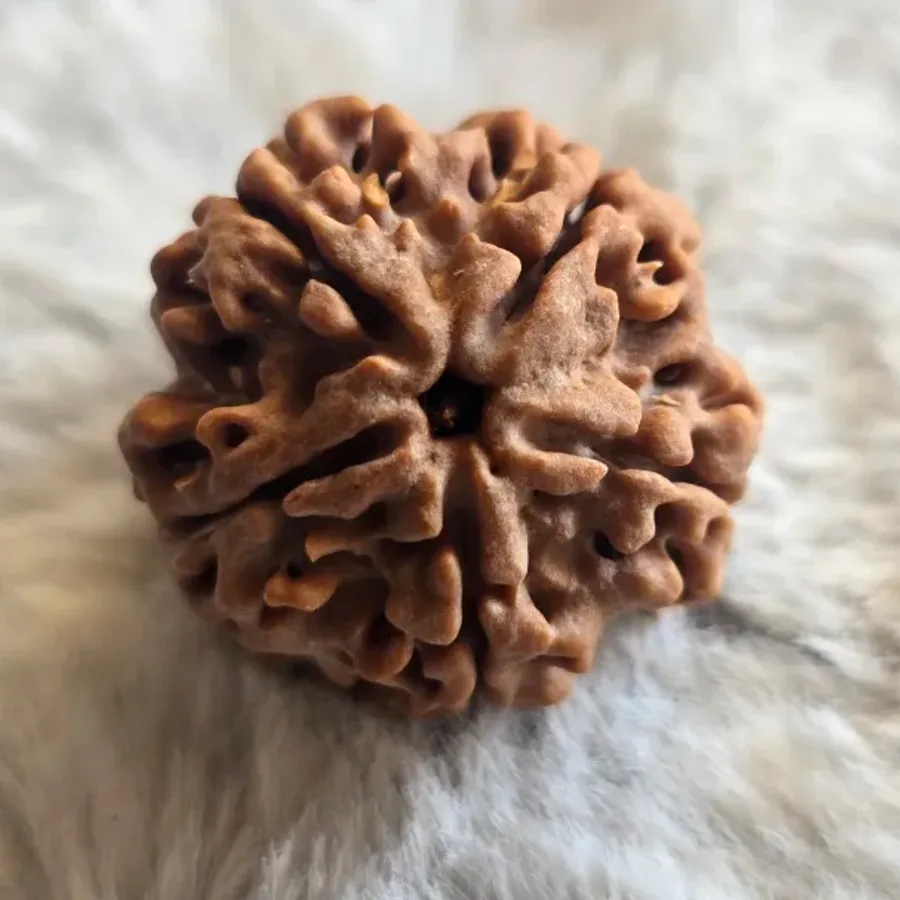
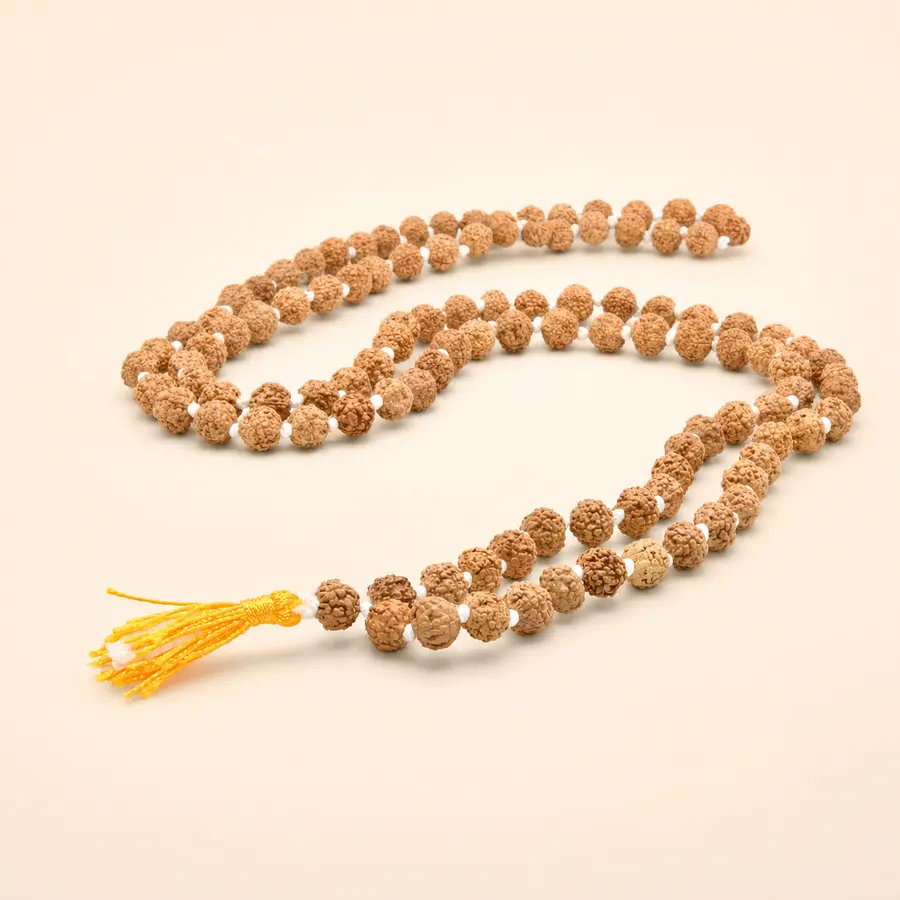
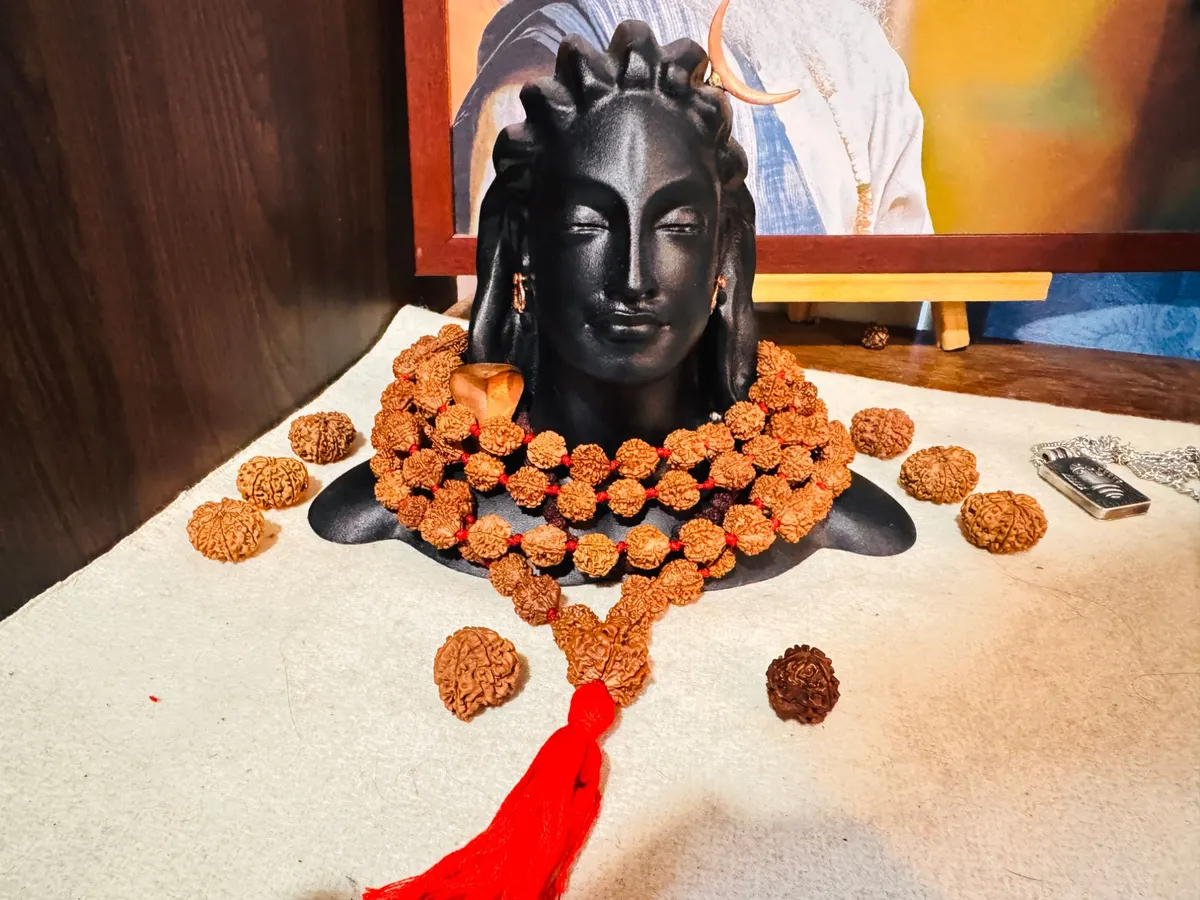
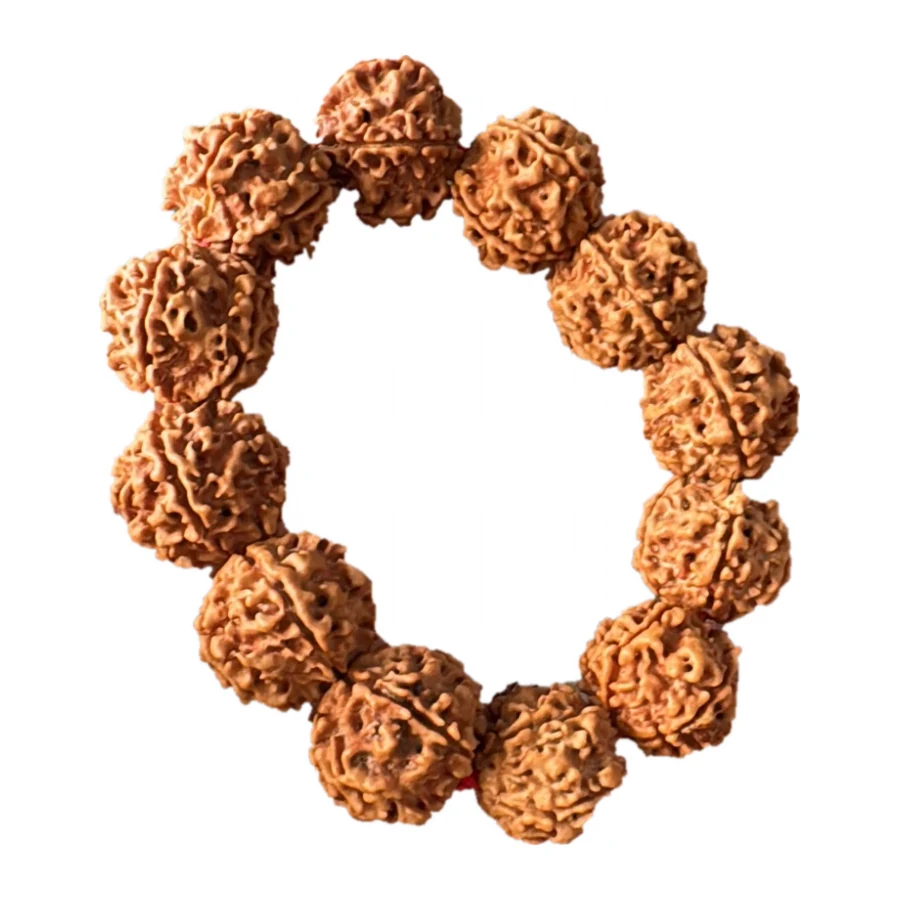
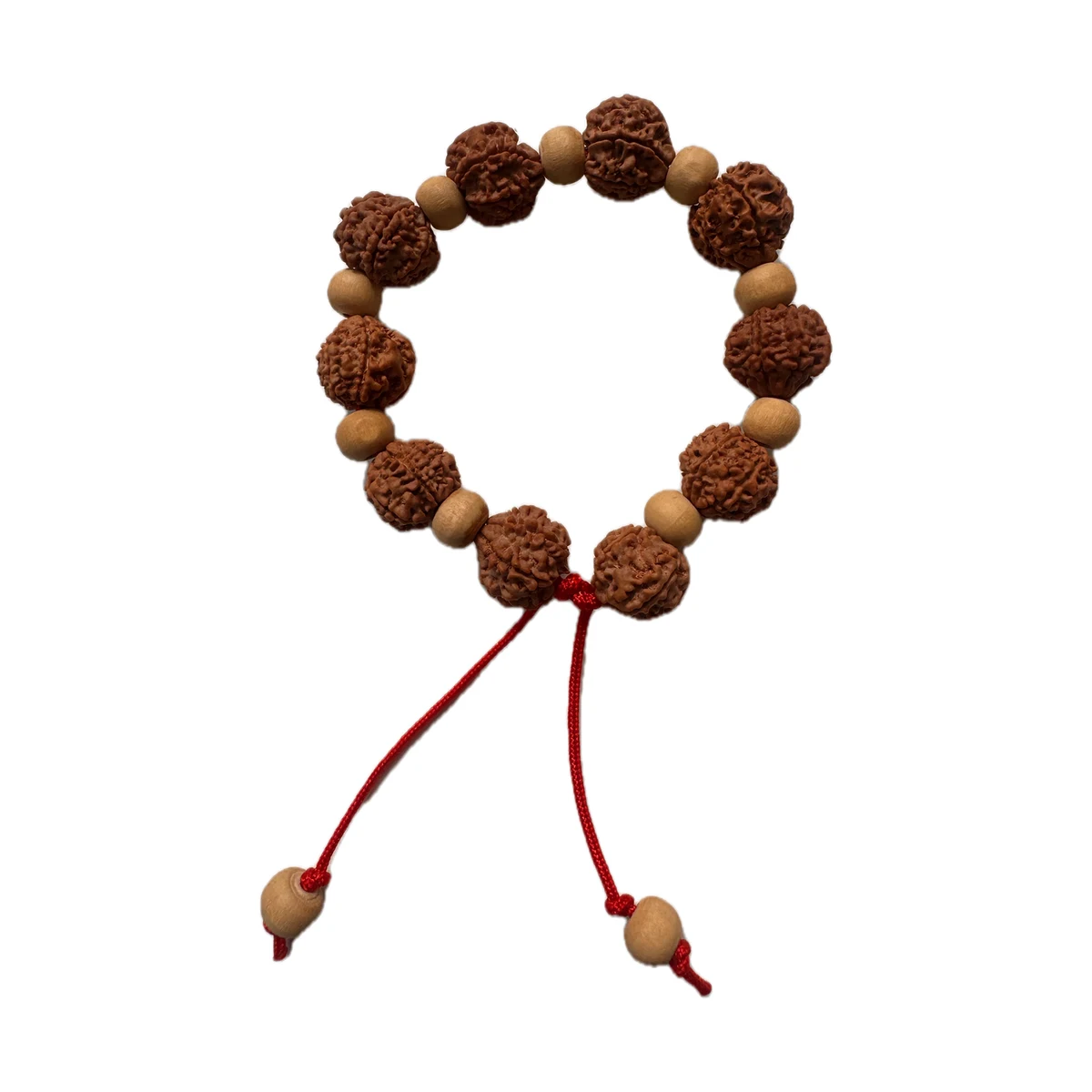
More: every mukhi bead · all malas · all bracelets · bead size guide
What you pay, and how
- Price: the US-dollar price on each product page. Choosing another currency on the page shows an estimate only.
- Shipping: US$40 once per order, however many shop pieces are in it. For example, one Regular 5 Mukhi bead: US$9.50 + US$40 = US$49.50; a 5 Mukhi bracelet and an 8 mm japa mala: US$93.60 + US$40 = US$133.60.
- Delivery: most orders leave Kathmandu within 24 hours of payment; the tracked courier then usually takes 3–12 days. Customs at your end can add time no one controls, so we do not promise a delivery date.
- Card: Visa, Mastercard, American Express or Discover, from the cart. The card is charged in US dollars; your bank converts to your own currency. The cart shows the exact total before you press Pay.
- Not in the total: US duty, any tariff in force when the parcel lands, and any brokerage fee the courier charges — collected by the courier before delivery, not by us. The US has suspended its $800 duty-free (de minimis) allowance for parcels from every country, so a parcel of any value can owe duty.
- Photographs first, if you want them: We send daylight photographs and video of the exact piece on request, before you pay, and always before it ships. A card payment from the cart goes straight through, so ask on WhatsApp before paying if you want them first.
- What is from Nepal: the rudraksha beads are grown in eastern Nepal, in the Arun and Tamur valleys, and the malas and bracelets are knotted by hand in Nepal — in our Kathmandu workshop and by some of the grower families. Thread, tassels and the tulsi wood in the tulsi bracelet are materials, not part of that claim.
- Who sells and ships: Pieces from the shop’s own catalogue are sorted, photographed and packed by the shop in Kathmandu. Beads listed by growers on the new harvest page are priced and delivered separately.
Shipping is set by the country you order from. Sending a gift to another country? Say so on WhatsApp before paying. Full detail: shipping · returns.
Duties and import rules
Duty: the $800 de minimis exemption is suspended for parcels from all countries (Executive Orders 14324 and 14388, and CBP’s rules of June 2026), so duty can be assessed whatever the value. US Customs classifies each parcel and decides the rate, and tariff programmes have changed often since 2025, so we do not print a percentage — the courier’s bill is the figure. Whatever is assessed is the buyer’s responsibility. We declare every parcel truthfully, at its real value, as finished seed-bead handicraft; we never lower a value to reduce duty.
Plant rules: a rudraksha is the dried stone of an Elaeocarpus fruit. Ours are cleaned, polished, drilled and strung — finished handicraft, not seed for planting — and we describe them that way. We have not found a ruling for these exact goods that we could verify, so we do not promise how a particular parcel will be treated: the decision belongs to US Customs and USDA APHIS. If you want to check before ordering, APHIS publishes its import requirements by commodity in the ACIR database, and we will give you the botanical name and a description of the goods for any question you put to them.
Shipping to the United States — carrier, window, tracking
US orders travel tracked with DHL or Aramex, typically 5–9 days door to door — the American row of the table on our shipping page, inside our worldwide 3–12 day window. Shipping on the shop’s own pieces is $40 per order, added at checkout. The tracking number reaches you the day your parcel leaves the Kathmandu workshop. There is no US warehouse: the parcel comes straight from Kathmandu.
Mala beads, prayer beads, japa mala
Many American buyers come to rudraksha through yoga or meditation, where a 108-bead japa mala is called mala beads or prayer beads. It is the same object: 108 beads for counting a mantra, plus a guru bead where the count starts and ends. Ours are knotted by hand in Nepal from beads sorted at our Kathmandu workshop, which buys from growers in the Arun and Tamur valleys of eastern Nepal. If you are unsure which to start with, the guided choice takes two minutes, and the size guide shows what the millimetre figures mean in the hand.
Photographs of your exact piece, and what a certificate can show
The picture on a product page shows the kind of piece; ask, and before you pay we send daylight photographs and video of the exact one we would send you. A seller’s certificate or a lab report describes one bead, so it is only useful if you can match it to yours — how to read one explains what to check, and what no report can tell you.
Paying from the United States
You can pay by card (Visa, Mastercard, American Express or Discover), in US dollars: from the cart for a piece from our catalogue, or by a payment link once you and we have agreed a price for a rarer piece. For an agreed bead, the photographs and video of that exact piece come first and the payment link after. For a catalogue piece, ask first and we send them before you pay.
Returns
Two different things, kept apart on our returns page. The lifetime authenticity guarantee: Lifetime authenticity guarantee: if an independent laboratory or a recognised authenticity expert finds that a bead we sold is not genuine, we refund it in full, with no time limit. Send us the written finding and return the bead. Any other return is discussed case by case if you message us within 14 days of receipt; the buyer pays return shipping.
Questions buyers here ask
Do you ship Rudraksha to the USA?
Yes — tracked courier from Kathmandu to all fifty states, typically within our standard 3–12 day worldwide window. You receive the tracking number the day your bead leaves the workshop, and photographs of the exact piece before it does.
Will I pay US customs duty on a Rudraksha order?
Possibly. The US has suspended its $800 duty-free (de minimis) allowance for parcels from all countries, so duty can be assessed on a parcel of any value. US Customs decides the classification and the rate, and the courier collects anything owed before delivery. We do not print a rate, because US tariff programmes have changed often since 2025. We declare every parcel truthfully, at its real value, as finished handicraft.
Is it legal to import Rudraksha beads into the US?
Our beads are dried, cleaned, polished and drilled — finished handicraft, not seed for planting — and we declare them that way. We cannot promise how a particular parcel will be treated: US Customs and USDA APHIS decide at the border, and APHIS lists its import requirements by commodity in its ACIR database. Message us before ordering and we will give you the botanical name and a description of the goods for any question you put to them.
How do I pay from the United States?
By card (Visa, Mastercard, American Express or Discover), in US dollars: from the cart for a catalogue piece, where the total with $40 shipping shows before you pay, or by a payment link once we have agreed a price for a rarer piece. If you want photographs and video of the exact piece first, ask on WhatsApp before paying.
Ordering for Canada? The Canadian page covers the same service with Canada’s own import rules.
Ask about delivery to your door