Original Nepali Rudraksha Beads — One to Twenty-Seven Mukhi
The full range of Mukhi Rudraksha — rudraksh, as most of North India writes it — from One to Twenty-Seven, plus the rare Nirakar. Every bead sourced from the Arun and Tamur valleys of eastern Nepal, hand-sorted in Kathmandu, photographed for you before payment, and shipped worldwide on WhatsApp confirmation. Each Mukhi count sits under its own presiding form in the tradition, and that is what the count is for.
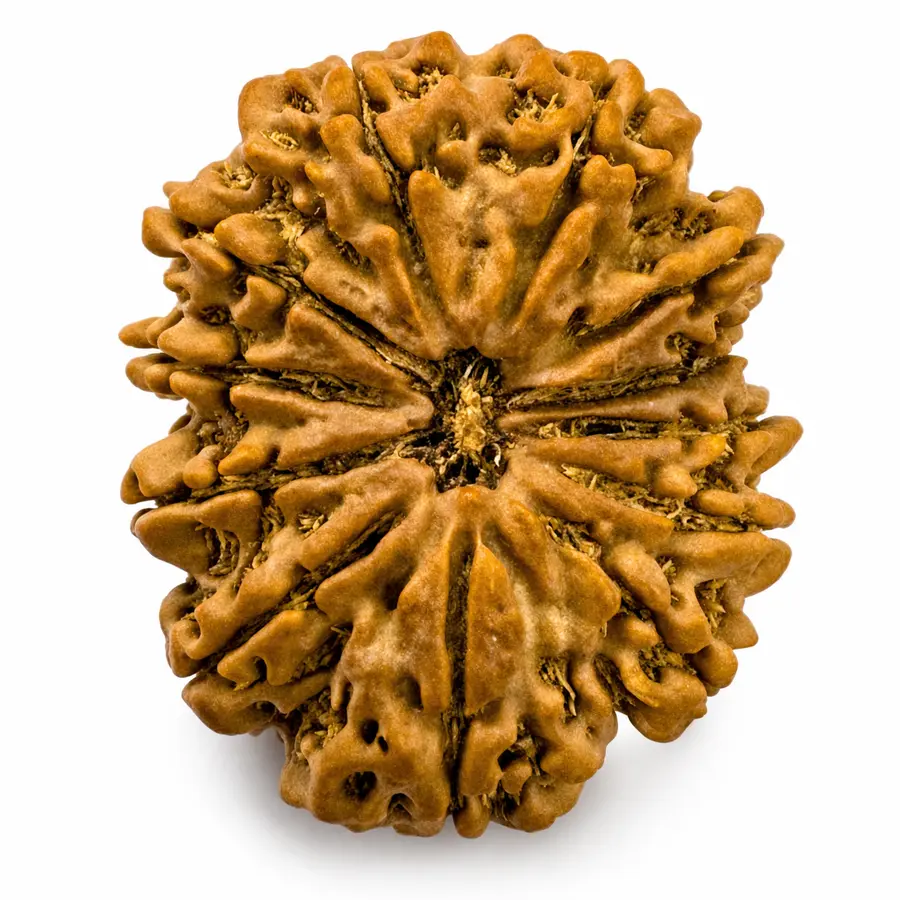
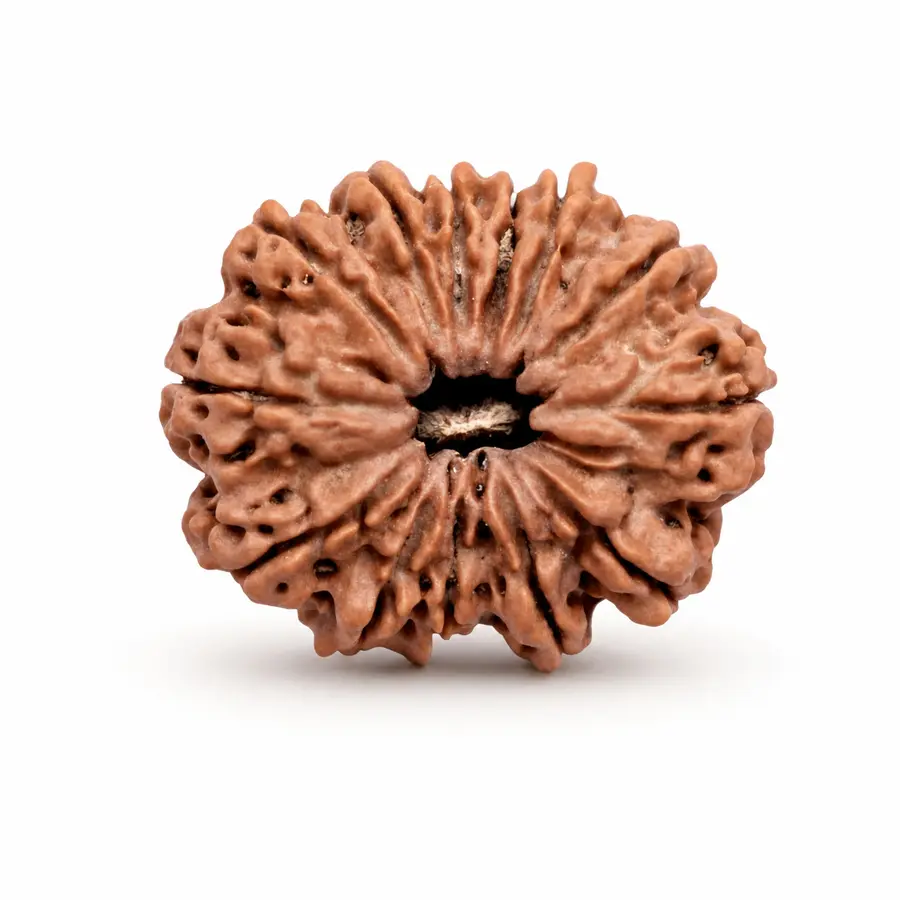
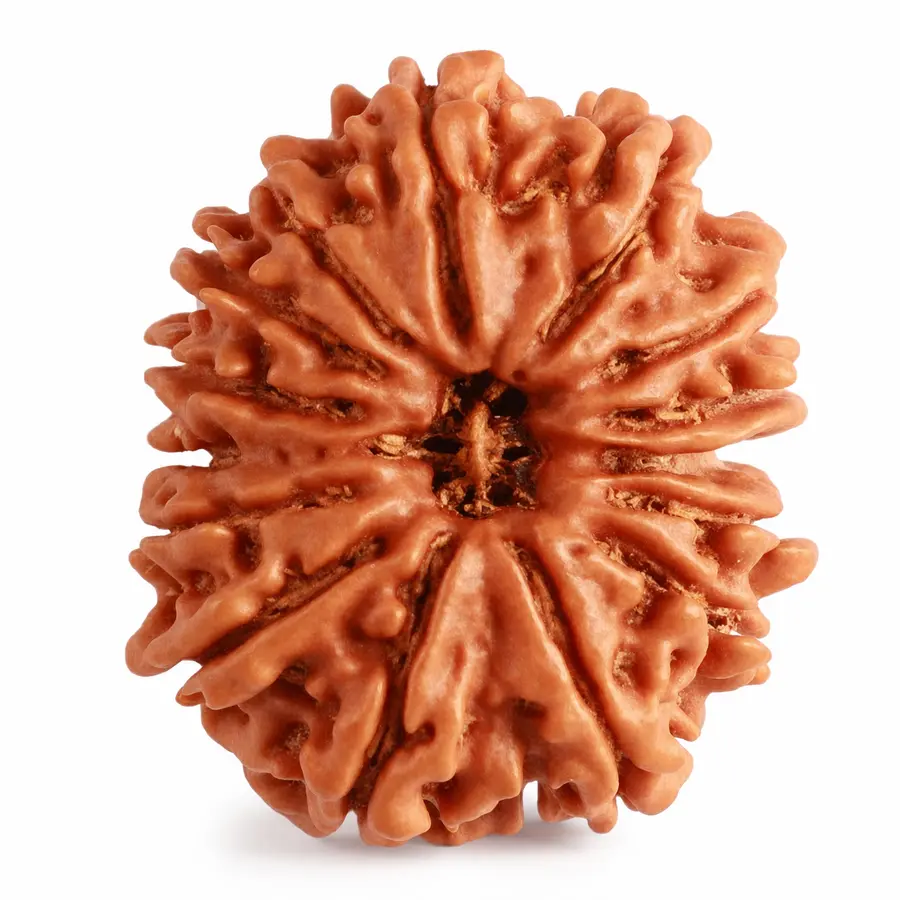
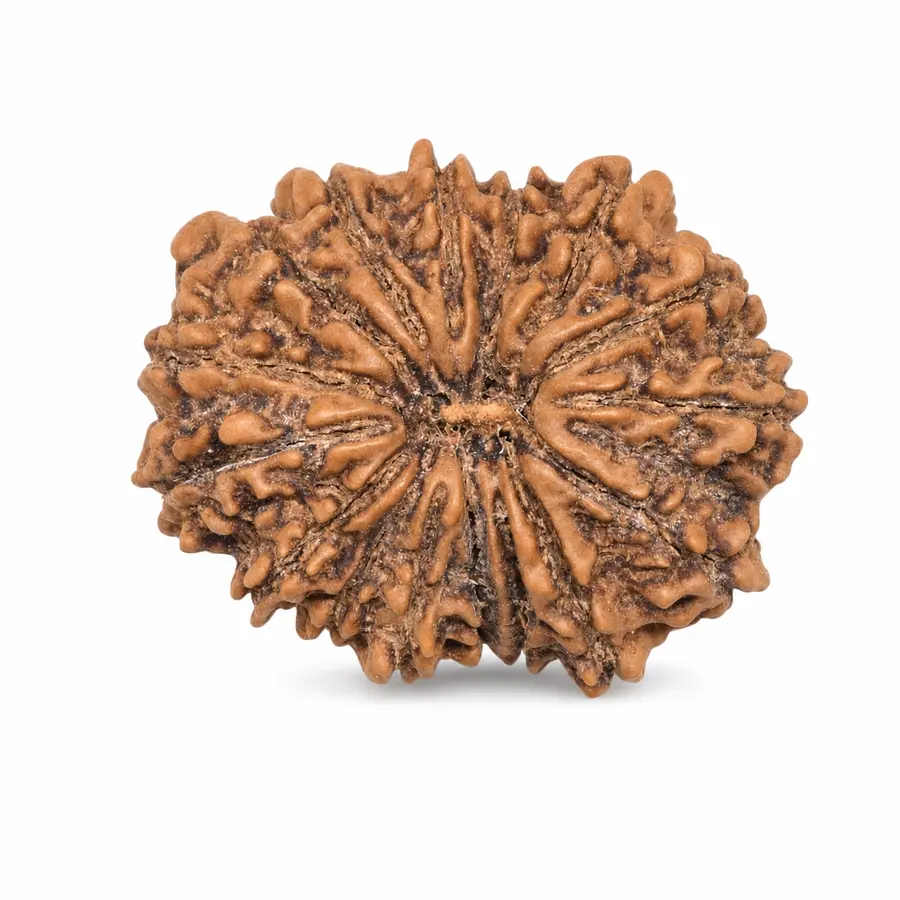
Rudraksha or rudraksh — and what the mukhi count actually means
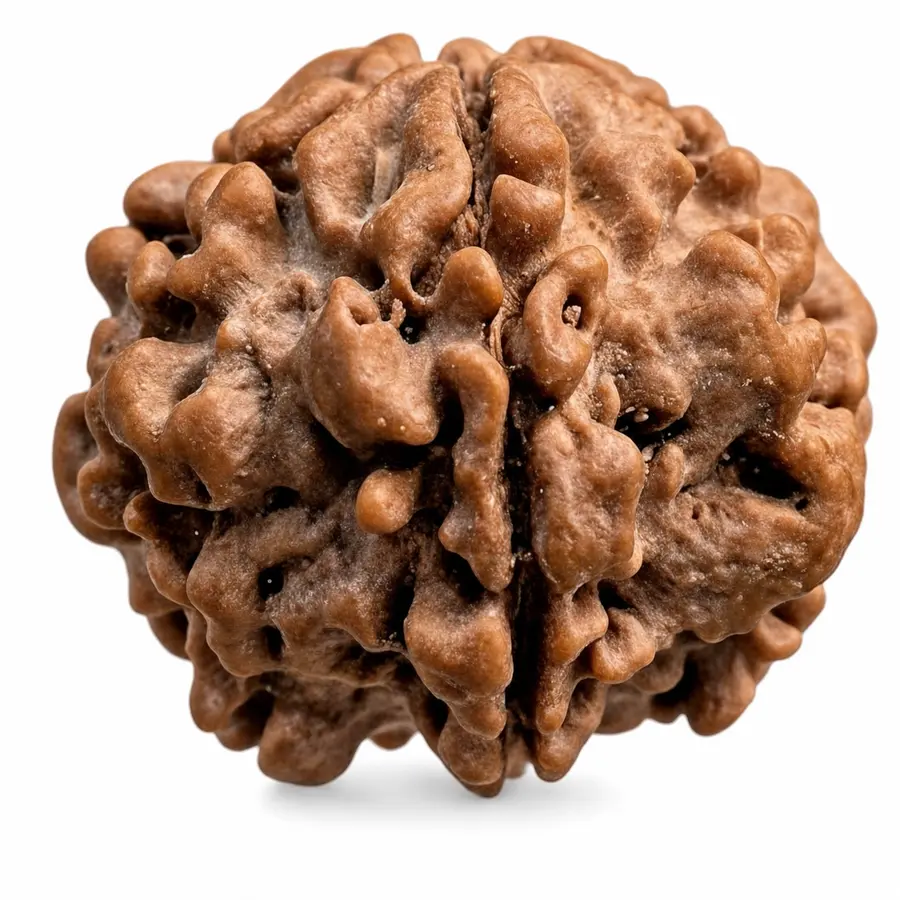
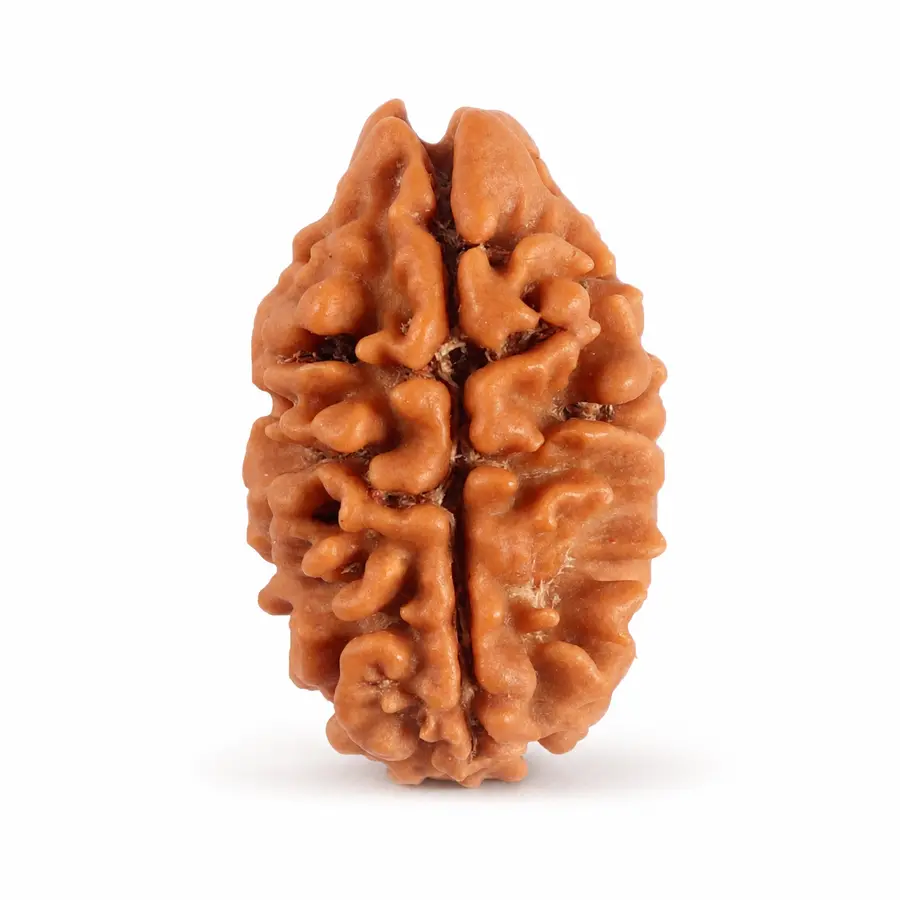
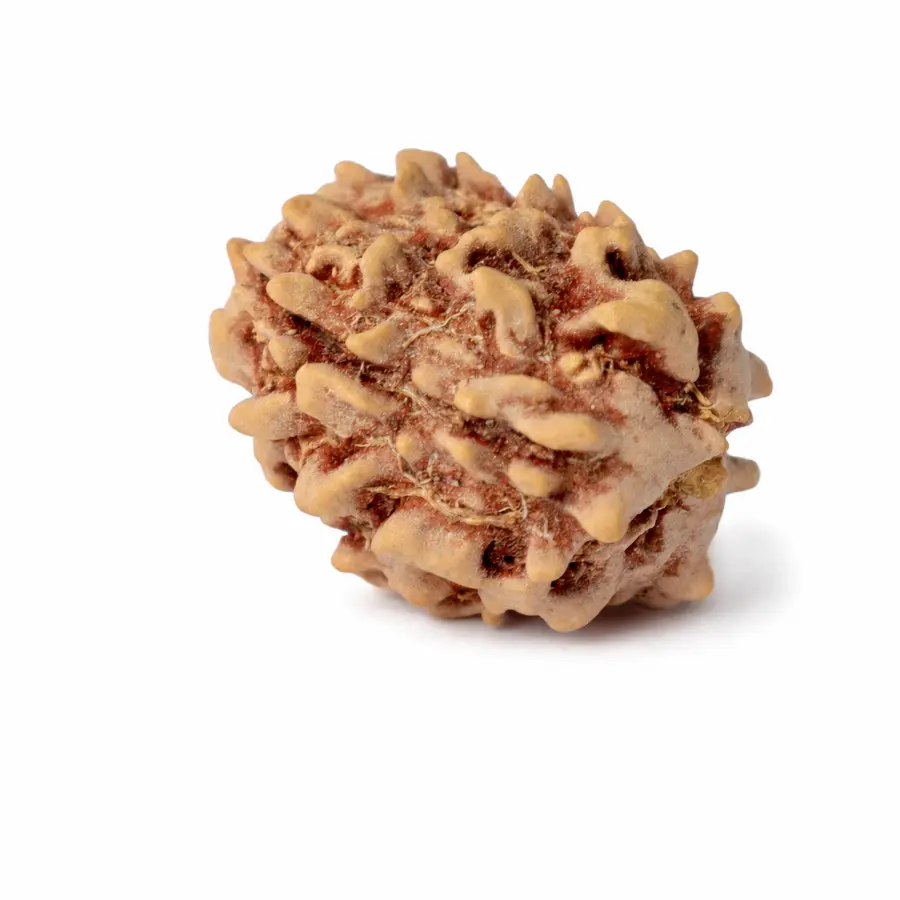
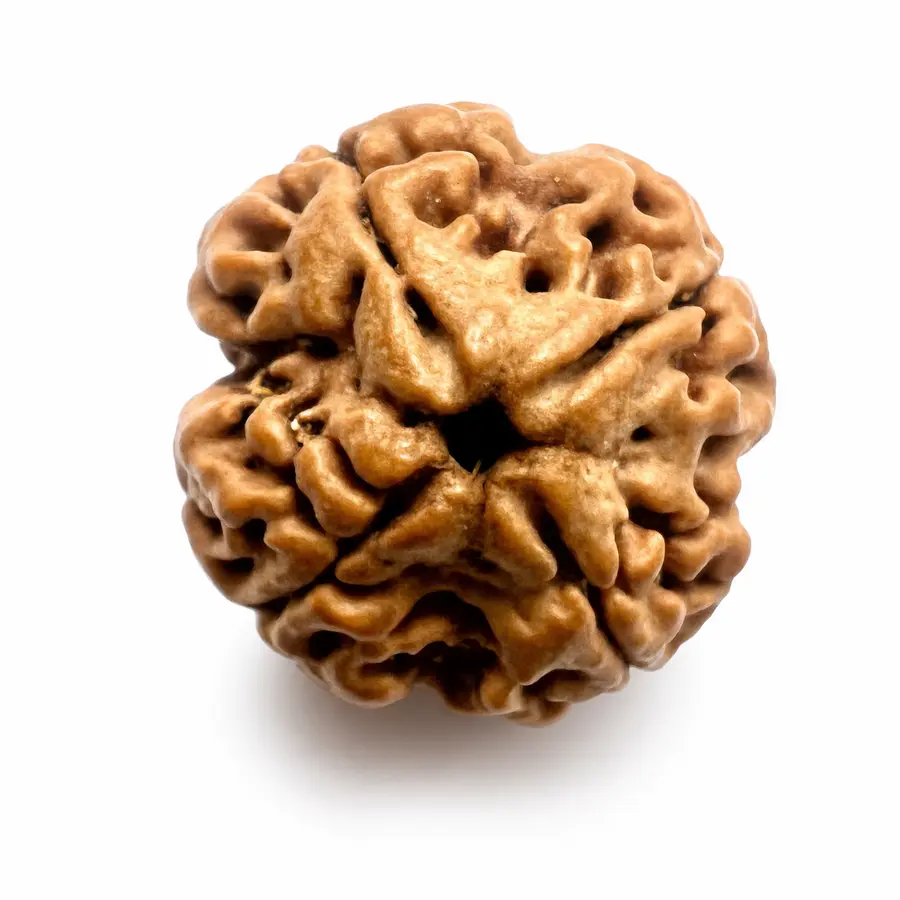
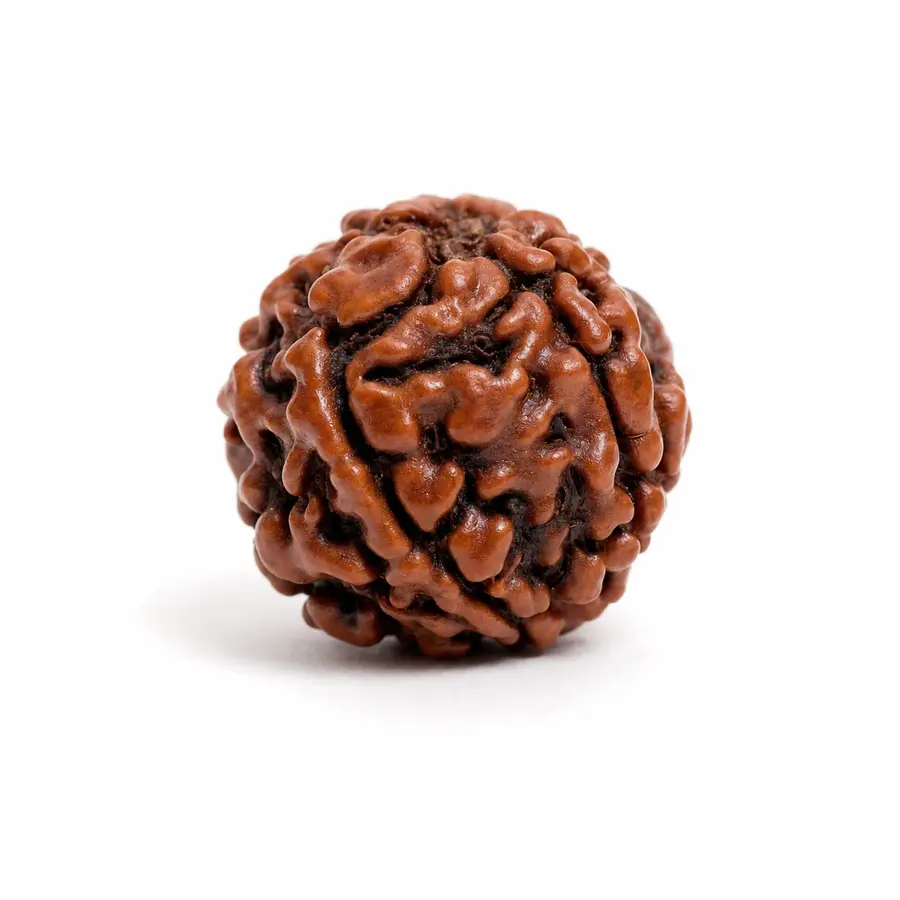
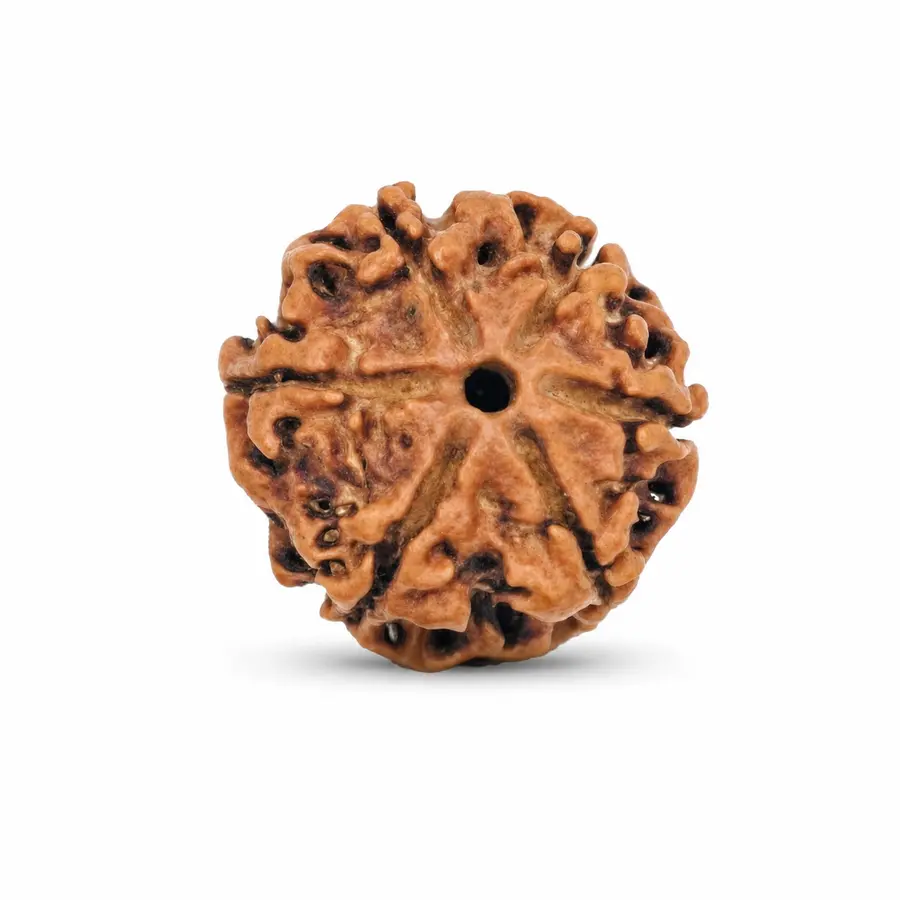
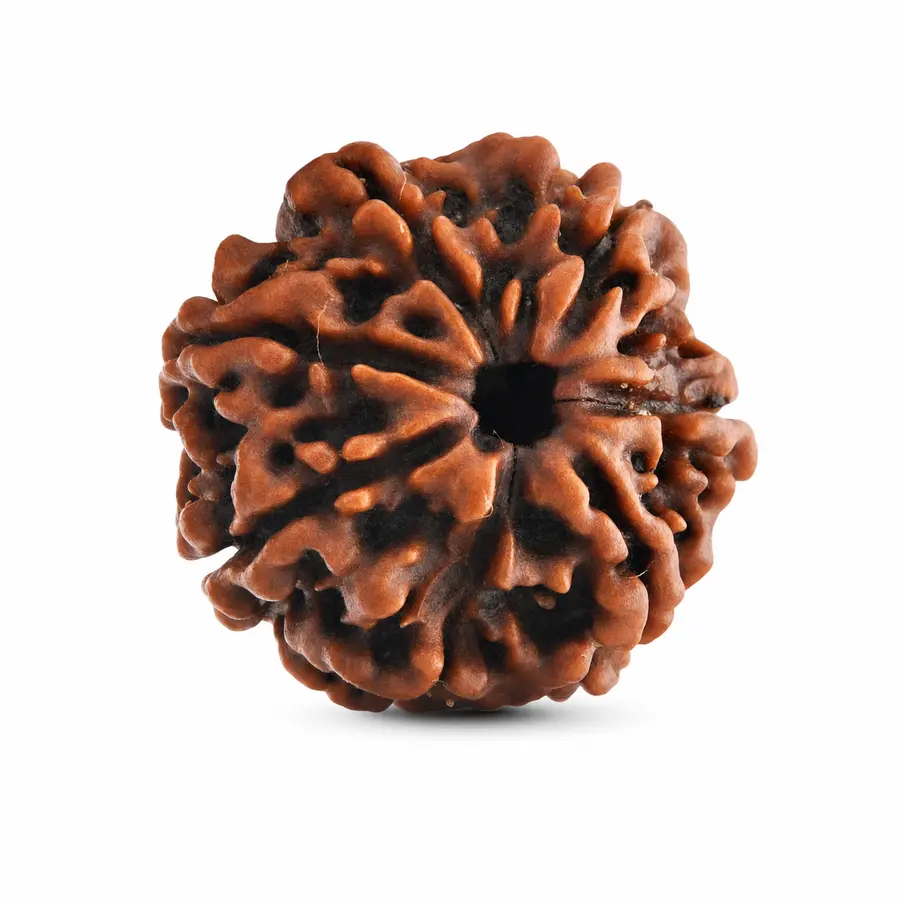
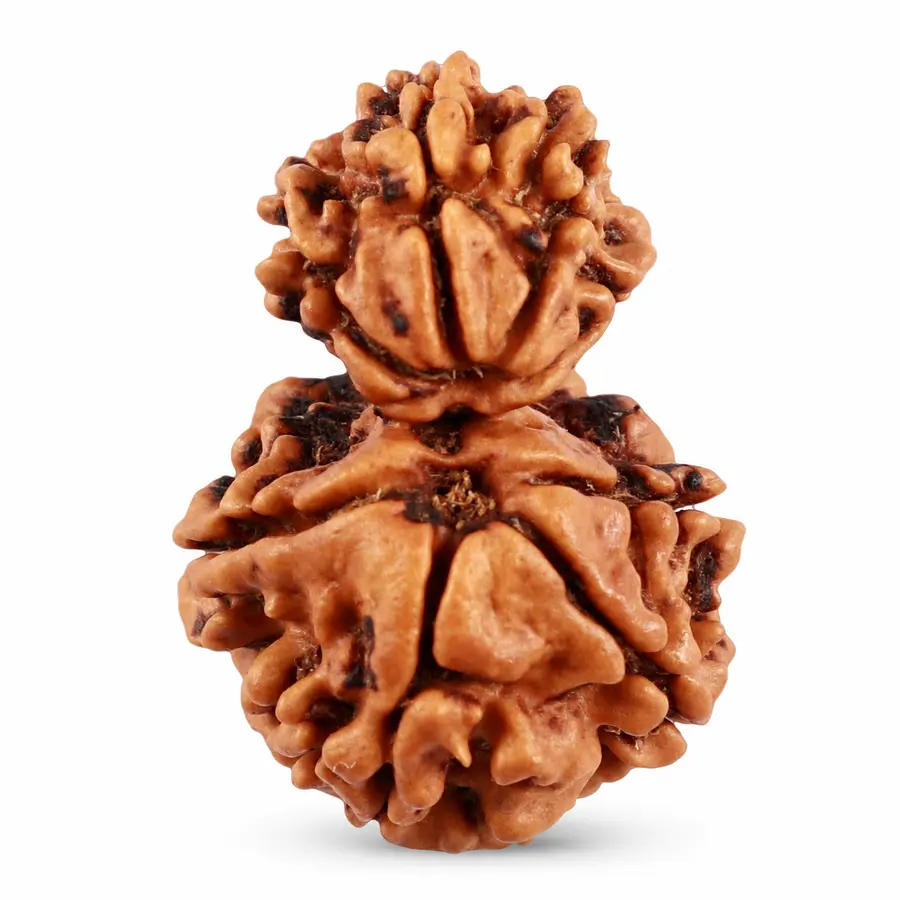
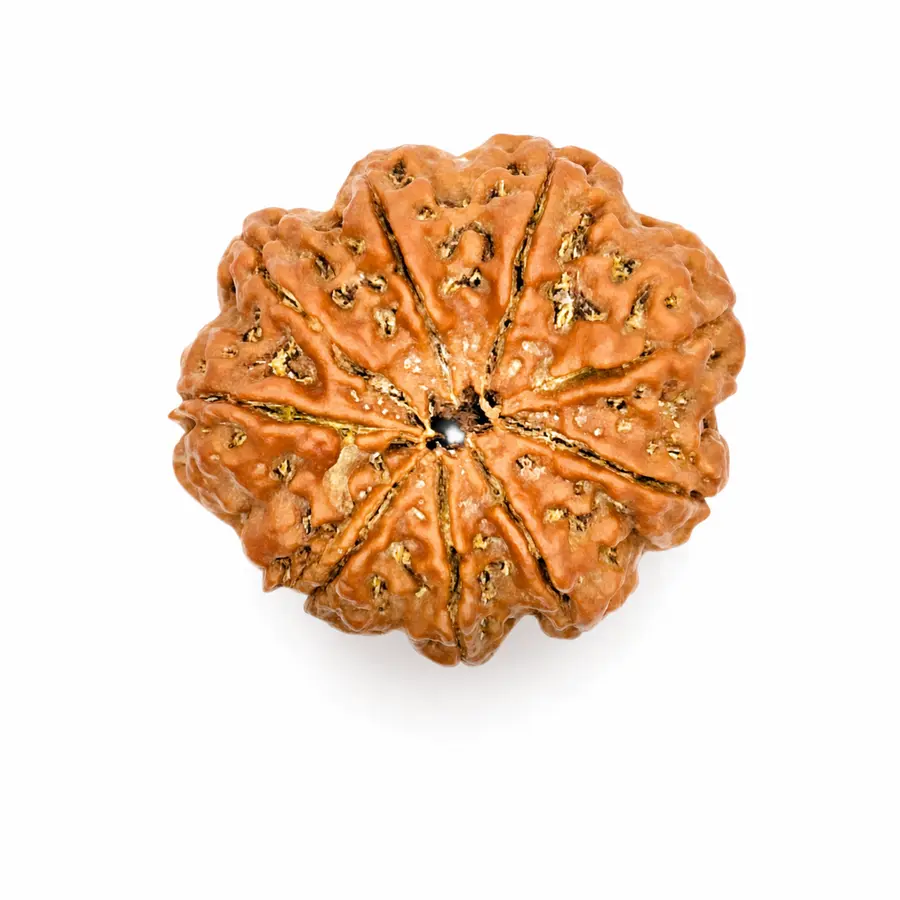
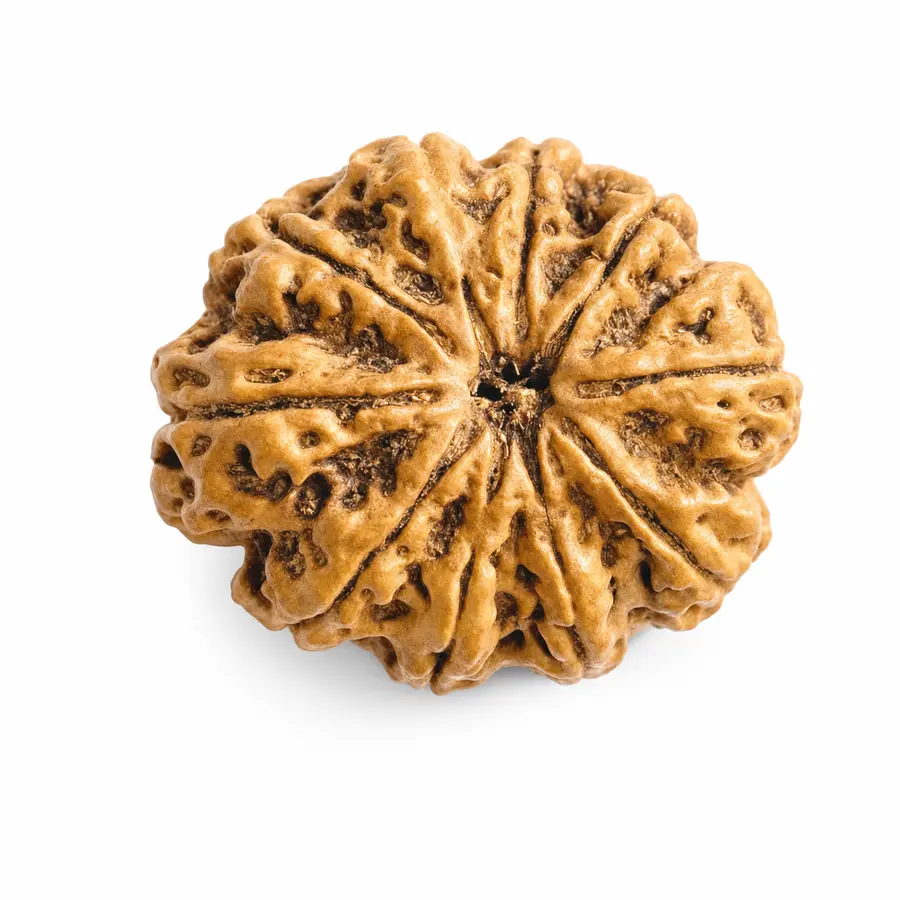
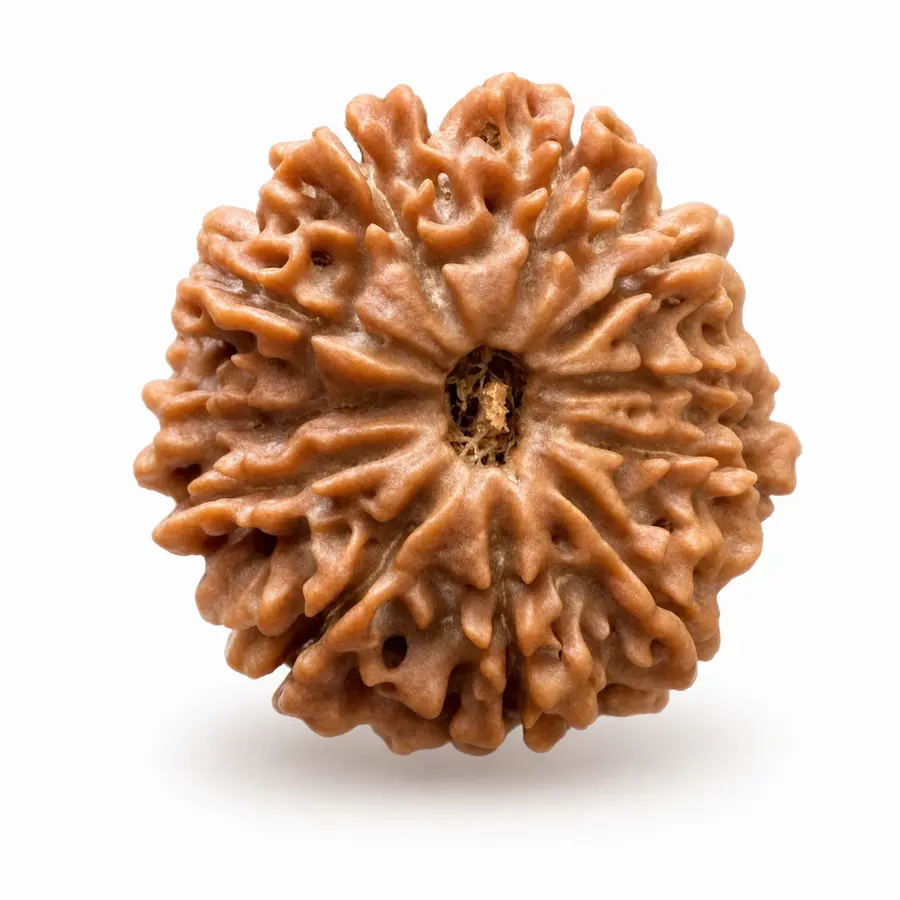
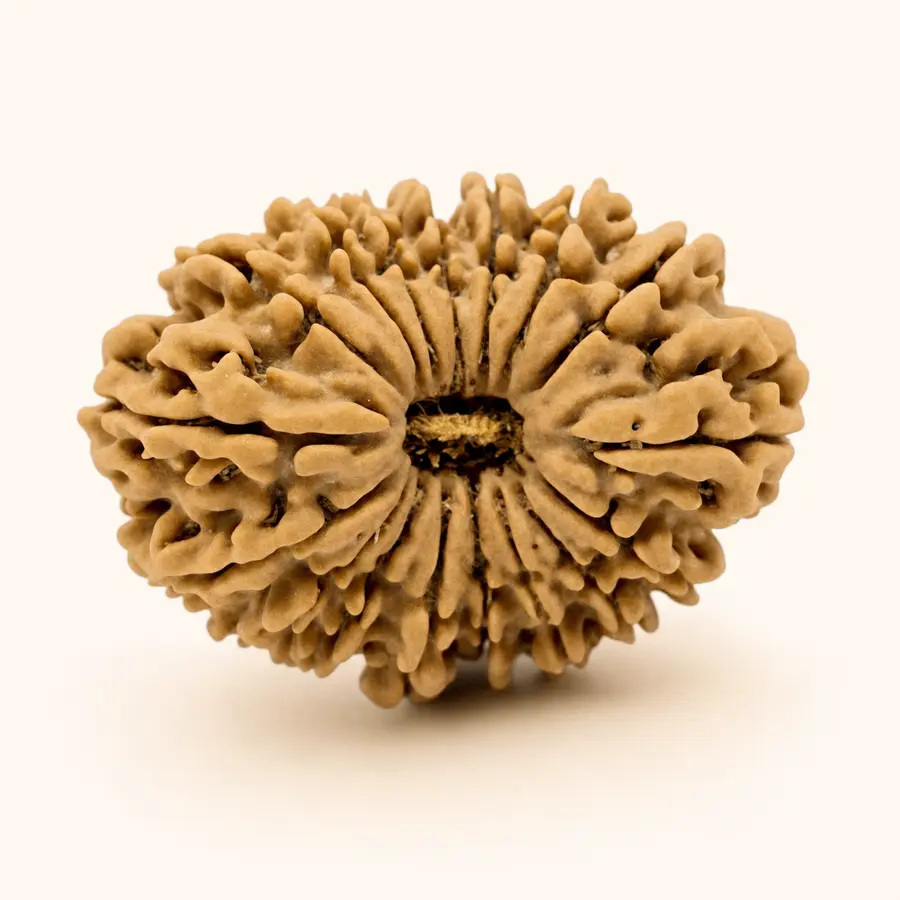
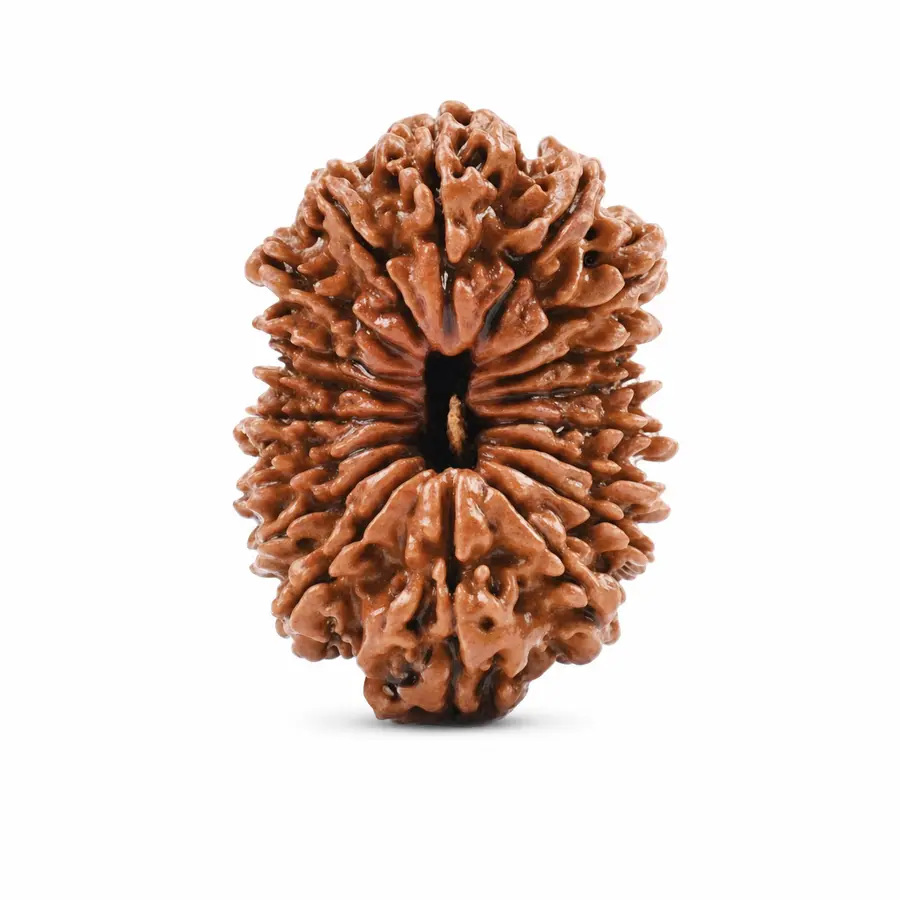
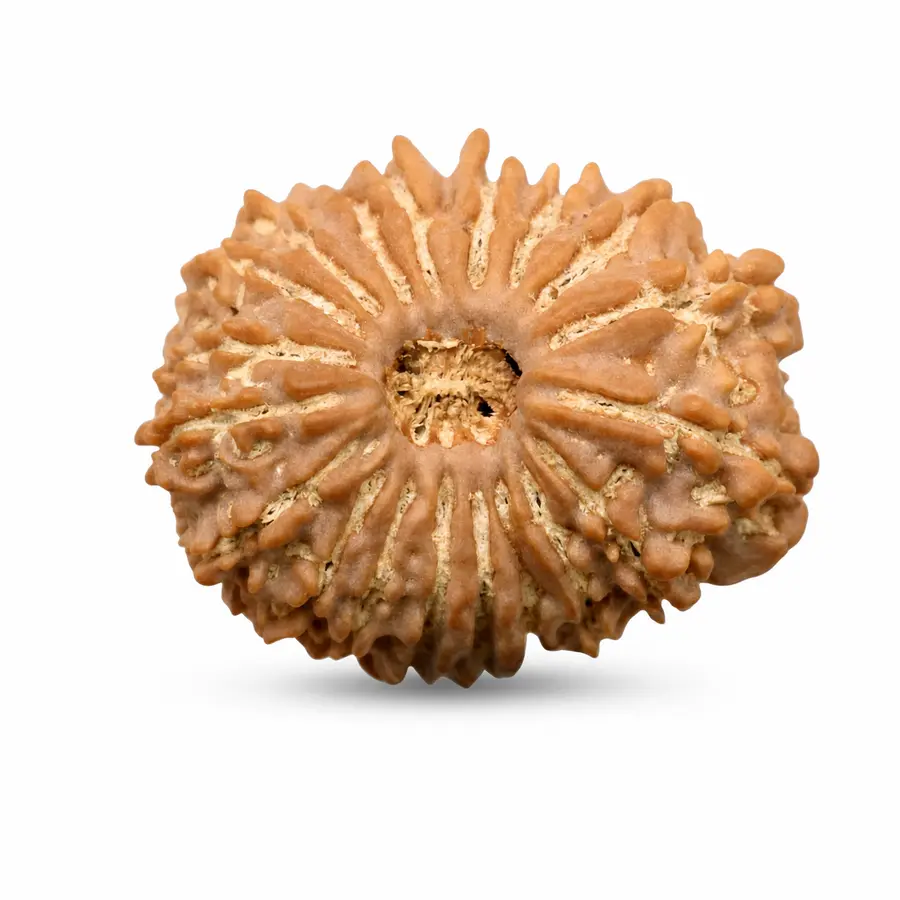
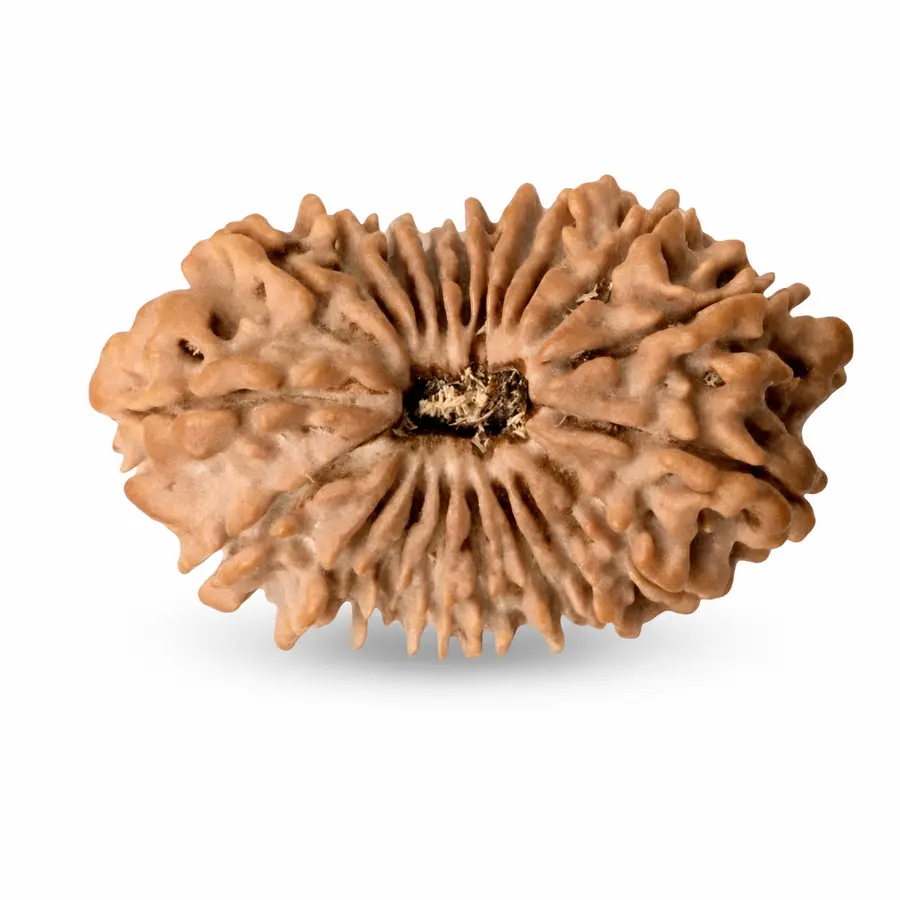
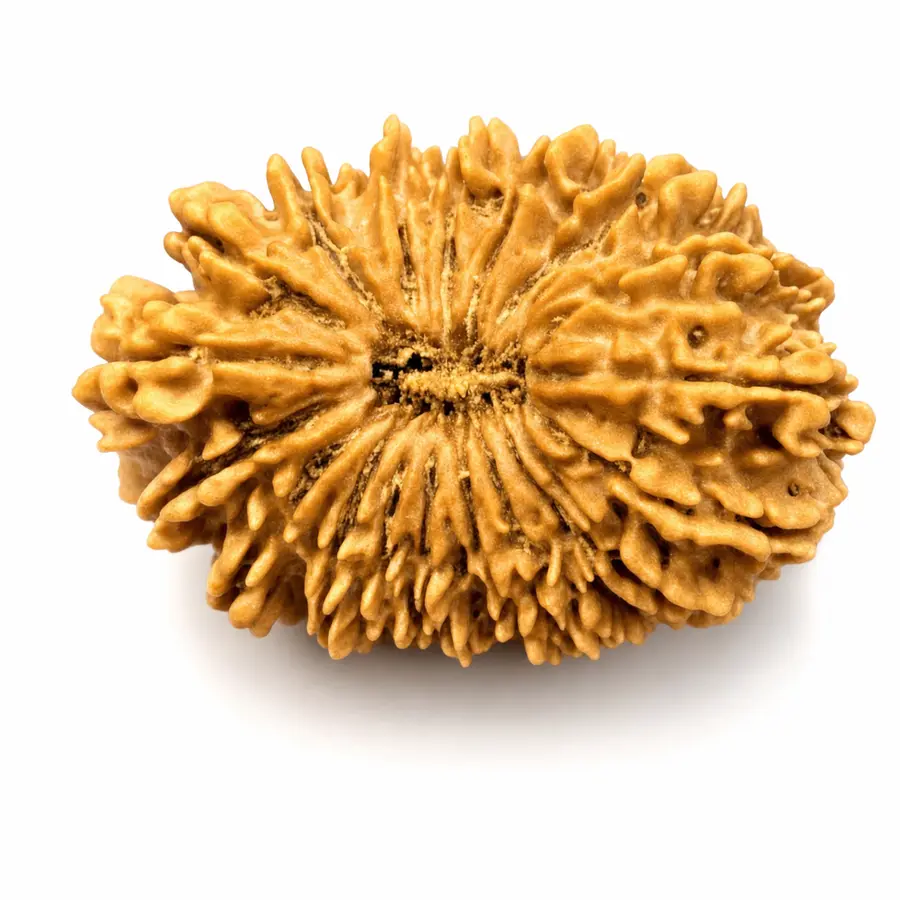
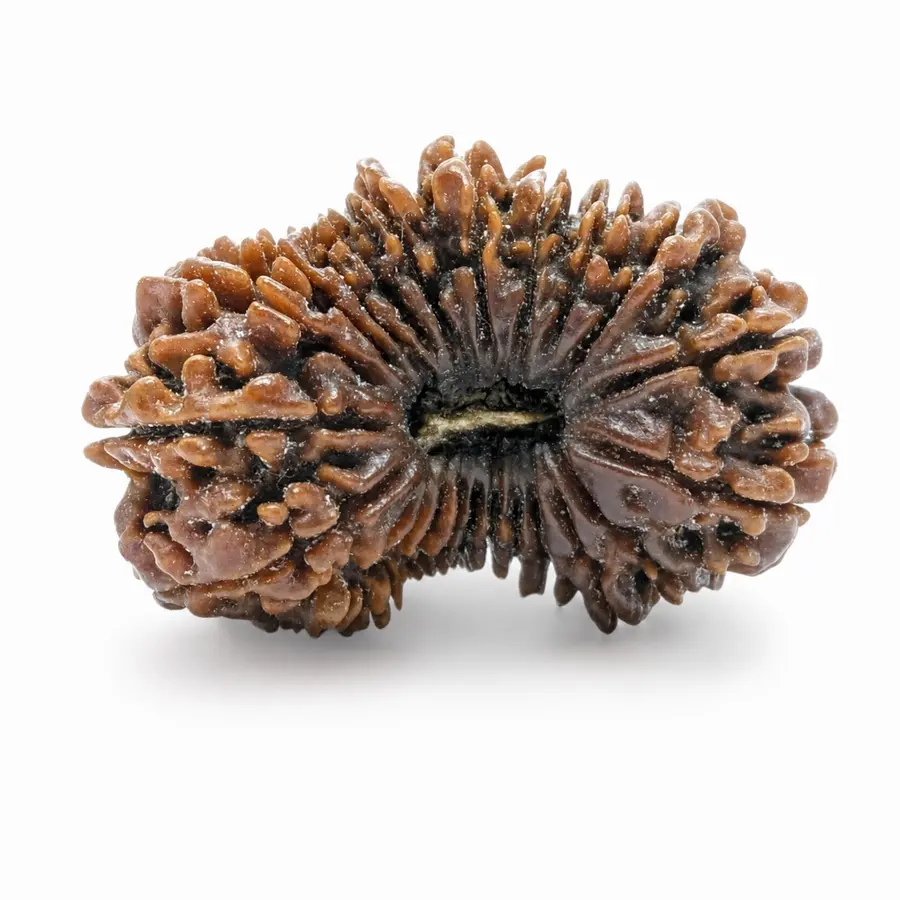
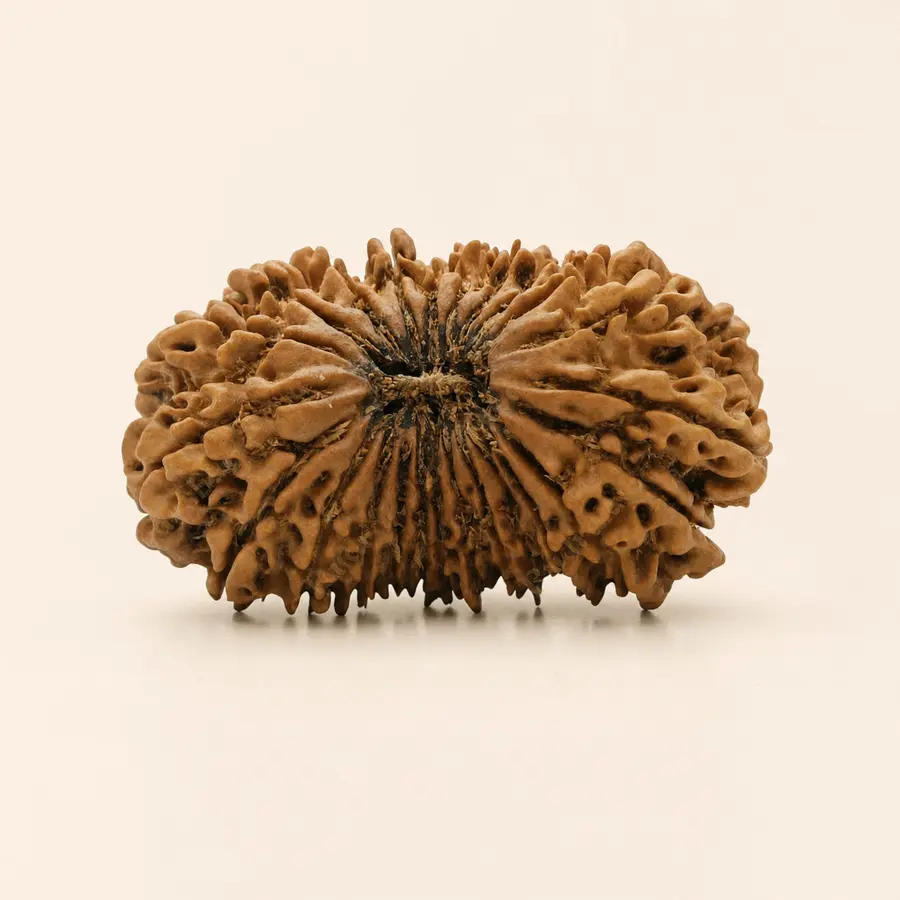
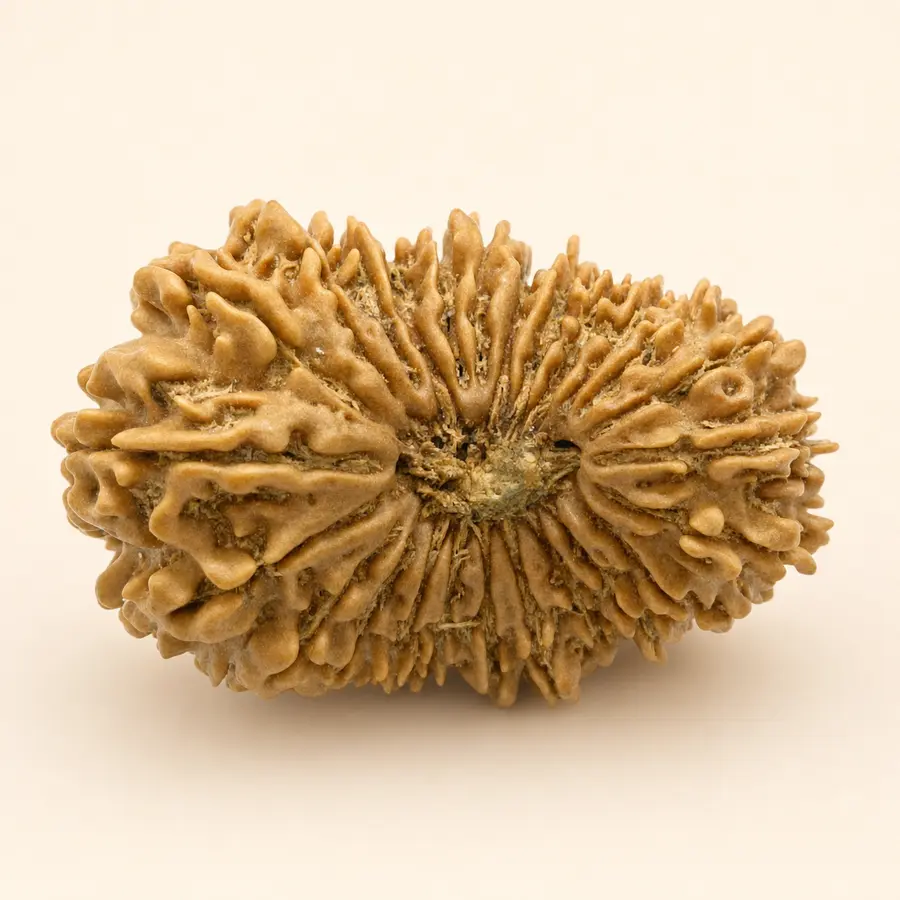
A rudraksha’s mukhi is the number of natural clefts — mukh, faces — that run from pole to pole down the seed of Elaeocarpus ganitrus. The count is not decoration and it is not grading. It is how the tradition identifies the bead at all. The Rudraksha Jabala Upanishad and the Shiva Purana place each count under a presiding form: one mukhi under Shiva himself, five under Kalagni Rudra, seven under Mahalakshmi, fourteen under Hanuman. Everything else anyone tells you about a bead follows from that assignment rather than coming before it.
You will see the word written two ways, and both are correct. Rudraksha is the transliteration with the final short vowel sounded, the way Sanskrit writes it. Rudraksh is how most of North India says it, types it and searches for it. Same seed, same tradition, same tray on our sorting table — write to us with either spelling and nothing changes about the answer you get.
Prices are on request for now: they climb with mukhi count and scarcity rather than with adjectives, and we quote per piece against photographs of the actual bead. Nothing is dispatched before you have seen the actual bead: we photograph the piece in hand, send it on WhatsApp, and only then take payment.
If you do not know where to start, the tradition offers three doors and no obligation to use any of them. You can choose by rashi, letting the ruling graha of your Moon sign point at a mukhi. You can choose by intention, which is how most wearers actually decide. Or you can ask someone who handles these seeds daily — which is what we are here for, and it costs nothing to ask.
Choosing by Moon sign is set out sign by sign on the rudraksha-by-rashi pages, one page per Moon sign.
For the tests that actually settle whether a bead is genuine — and the three widely repeated ones that do not — see is my rudraksha real.
Read before you choose.
Questions people ask before buying
Which rudraksha is best to wear?
For most people, the five mukhi. It sits under Kalagni Rudra in the tradition, it is the bead held suitable for every wearer without initiation or condition, and it is what the overwhelming majority of malas are made from. Beyond that the honest answer is that "best" depends on why you are wearing one — by rashi, by intention, or simply because a teacher gave you a count to wear.
What is the difference between rudraksha and rudraksh?
Only spelling. Rudraksha keeps the final short vowel of the Sanskrit; rudraksh is the ordinary North Indian written and spoken form. Some sellers imply the two words mean different grades or origins. They do not — it is one seed with two transliterations, and anyone telling you otherwise is selling you a distinction that does not exist.
How much does an original rudraksha cost?
Prices are on request for now. The figure depends on the mukhi count, the size and the season’s supply, so we quote per piece — in your currency — against photographs of the actual bead on WhatsApp, before you commit to anything.
How do I know a rudraksha is real?
The water test, the copper-coin test and the hair test all circulate widely and none of them is conclusive — a well-made fake passes all three. The one test that settles the question is an X-ray, which shows the internal seed chambers and whether their number matches the clefts on the outside. We X-ray on request, and an independent laboratory X-ray with a written certificate can be added to any order as a paid extra, quoted up front.
Do you ship rudraksh to India?
Yes, to every state, tracked from Kathmandu, typically arriving in three to twelve days. We quote in rupees alongside dollars so there is no guessing at the exchange rate, and we send tracking the day the parcel leaves. We cannot offer cash on delivery into India — no courier we would trust with a consecrated bead runs COD on this route — so payment is settled on WhatsApp after you have seen photographs of your exact piece.
How many mukhi are there?
One to twenty-one covers what circulates in Nepal in any ordinary year, and we have handled beads up to twenty-seven mukhi as well as the rare Nirakar, which carries no clefts at all. In practice the counts from one to fourteen are what almost everyone wears; above that the beads become collector pieces and are priced accordingly.
Can anyone wear a rudraksha, or are there rules?
The tradition sets very few conditions on the five mukhi — it is held suitable for anyone, of any background, without initiation. Practices around the higher counts vary by lineage and by teacher, and we will not pretend there is a single rulebook. What is widely observed rather than mandated: keep the bead clean, take it off before oiling or chemical treatment, and do not lend it out.
Not sure which one?
Message us on WhatsApp. We'll send you photos of what's in stock today and help you choose based on your intention. Reply within hours from Kathmandu.
Free WhatsApp consultation