Comparison
Nepali Rudraksha vs Indonesian — The Honest Difference
Both are real Rudraksha. They are not the same product. Understanding the difference protects you from paying Nepali prices for Indonesian beads.
By Kathmandu Rudraksha · Published 13 May 2026 · Updated 10 August 2026
Last reviewed: August 2026 · Kathmandu Rudraksha
Two genuine origins, two different beads
Rudraksha grows in several regions, but the trade is dominated by two: the Himalayan belt of eastern Nepal (notably the Arun and Tamur valleys) and the islands of Indonesia, principally Java. Both produce authentic Elaeocarpus beads. The difference is in size, structure, and how the market prices them.
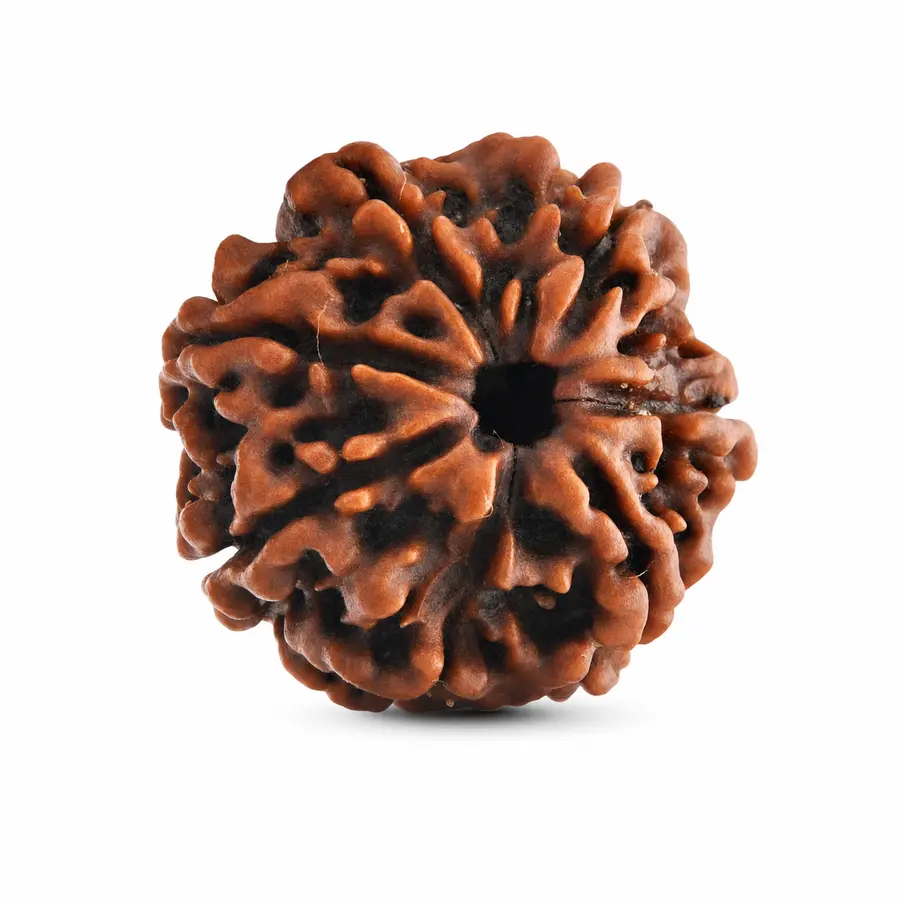
How to tell them apart
Size
Nepali beads are generally larger, with more pronounced contours — compare a 7 Mukhi from the Arun valley. Indonesian beads are typically smaller and rounder, which makes them popular for bracelets and dense malas.
Ridge depth and surface
Nepali beads tend to have deeper, more defined mukhi lines and a coarser surface. Indonesian beads are often smoother with shallower faces. Neither is “fake” — but the visual signature is different, and experienced buyers can usually tell at a glance.
Price
Larger size, deeper structure, and traditional preference mean Nepali beads command higher prices for the same mukhi count. This price gap is exactly why some sellers pass Indonesian beads off as Nepali. Knowing the visual differences is your best defence.
Which should you choose from the Nepali catalogue?
There is no universally “better” origin — it depends on your purpose. For collectors of rare natural forms, traditional puja, and those who value the Himalayan provenance, Nepali beads are the choice. For everyday bracelets, larger malas, and budget-conscious buyers, well-sourced Indonesian beads are perfectly legitimate.
What matters is that you know what you are buying and pay the right price for it. We are transparent about origin on every product, because the Nepal source is our whole reason for being.
Frequently asked questions
Are Indonesian Rudraksha fake?
No. Indonesian (Java) Rudraksha are genuine beads. They differ from Nepali beads in size, ridge depth, and price, but they are real Rudraksha. The problem is only when Indonesian beads are sold as Nepali at Nepali prices.
Why are Nepali Rudraksha more expensive?
Nepali beads are generally larger with deeper, more defined faces, and carry a strong traditional preference for puja and collection. Greater size and rarity for the same mukhi count push prices higher.
Can I tell Nepali from Indonesian myself?
Often, yes. Nepali beads are usually larger with coarser, deeper ridges; Indonesian beads are smaller, rounder, and smoother. Comparing photos side by side and asking the seller about origin is a good first check.
Where to go next
- All Mukhi Rudraksha
- How to identify a real rudraksha
- Bracelets
- Authenticity
- Drilled and Undrilled Rudraksha: Which to Buy
- 1 Mukhi Rudraksha
- 5 Mukhi Rudraksha