Nepal
Buying Rudraksha in Kathmandu — An Honest Local Guide
Every serious bead in the world passes through this city. Here is how the Kathmandu Rudraksha market actually works — where to go, what to pay, and how not to fly home with a carved fake.
By Kathmandu Rudraksha · Published 18 July 2026
Why Kathmandu is the capital of the Rudraksha world
The trees grow east of here — in the hill districts of eastern Nepal, above all the Arun and Tamur valleys — but the trade lives in Kathmandu. After the post-monsoon harvest, beads travel from the villages to the capital to be cleaned, sorted, graded, and sold, and everyone from Pashupatinath pilgrims to international wholesalers buys from this one city. If you are anywhere in the world wearing a serious Nepali bead, it almost certainly passed through Kathmandu first.
That concentration is exactly why the city rewards informed buyers and punishes casual ones: the world’s best genuine beads and the world’s most practised fakes share the same lanes.
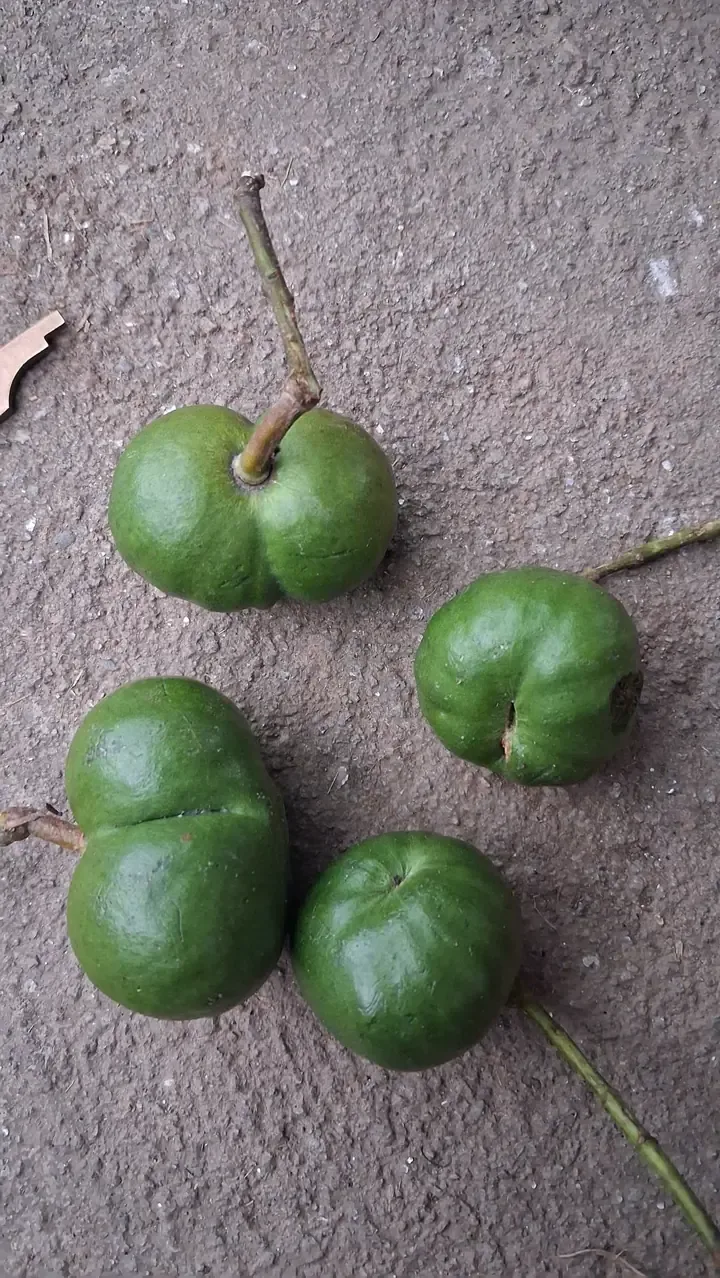
Where the beads are sold
The Pashupatinath lanes
The lanes around Pashupatinath temple are the spiritual heart of the trade — stalls and small shops selling everything from simple pilgrim malas to rare beads shown from locked cabinets. Quality spans the full spectrum within a single alley. The advantage here is choice and atmosphere; the discipline required is verification, because proximity to the temple is not proof of anything.
The old bazaars — Asan and Indra Chowk
Kathmandu’s traditional market streets have sold ritual goods for centuries, Rudraksha among them, usually alongside cloth, spice, and brassware. Prices trend lower than the temple lanes and the trade is aimed at locals — which helps — but a rare-count bead here deserves the same scrutiny as anywhere.
Thamel
The tourist district sells Rudraksha the way it sells everything: conveniently, attractively, and at a premium. Plenty of honest pieces move through Thamel, but it is also where visitors most often overpay for common beads, and where “rare” beads most often are not. Enjoy the atmosphere; verify the bead.
The wholesale houses
The serious volume moves quietly, through dealers and family houses that supply shops at home and abroad. This is where graded lots are assembled and where the genuinely rare counts surface first — usually by appointment and relationship rather than a walk-in.
What fair prices look like
The full economics deserve their own article — see our honest price guide — but here is the Kathmandu short version: everyday 5 and 6 Mukhi beads and simple malas are inexpensive here, genuinely cheaper at source than abroad. Prices climb steeply, and legitimately, with rarity: 7, 8, and 9 Mukhi in the moderate range, and the revered counts — 1, 12, 13, 14, Gauri Shankar — priced like the rarities they are, in Kathmandu as everywhere.
- Bargaining is normal and expected in the bazaars and tourist shops; it is gentler in the temple lanes and absent at serious dealers, where grading does the talking.
- The tourist premium is real. The same common mala can vary several-fold between a Thamel window and an Asan stall.
- A “rare” bead at a miracle price is the oldest trick in the market. Rarity has a floor in Kathmandu too — a genuine 1 Mukhi is never cheap, not even at the source.
How to verify a bead on the spot
Everything in our identification guide applies doubly when you are buying in person, because in person is where charm does its best work. The short field version:
- Carry a 10x loupe. It costs a few dollars, fits in a pocket, and instantly separates natural clefts from carved cuts.
- Count the mukhi yourself, twice, before any money moves. The stated count and your count must match.
- Get a receipt stating the mukhi count and origin in writing. An honest seller writes it without flinching.
- Walk away easily. Kathmandu has hundreds of sellers; the bead in front of you is never the last one.
And the other sacred stone — Shaligram
Travellers asking after Rudraksha in Kathmandu usually meet its companion tradition in the same shops: Shaligram, the sacred stones of Vishnu gathered from the Kali Gandaki river to the west. They are a separate subject with their own forms and their own fakes — but if the “stone of Nepal” you have heard about is dark, smooth, and spiral-marked, it is a Shaligram you are thinking of, and the same rule applies: buy documented, from someone who can tell you exactly where it came from.
Buying from Kathmandu without the flight
This whole guide compresses into one sentence: in Kathmandu, the seller matters more than the shop’s address — and that is as true online as in the lanes. Kathmandu Rudraksha — a firm registered with the Government of Nepal (no. 001-2775), based in Lalitpur in the Kathmandu Valley — exists to be the answer to it. We hand-select in Kathmandu from the eastern-hills harvest, photograph the actual bead you are buying, walk you through it on WhatsApp before it ships, and stand behind every bead with a lifetime authenticity guarantee, delivered worldwide.
If you are coming to Kathmandu in person, come with the checks above and enjoy one of the great markets of the spiritual world. If you are not — the beads still leave from here, documented, and the lanes are only a message away.
Frequently asked questions
Is Rudraksha cheaper in Nepal?
For common beads, genuinely yes — everyday 5 and 6 Mukhi beads and simple malas cost less at source in Kathmandu than abroad. Rare counts are priced as rarities everywhere, including Nepal: a genuine 1 Mukhi or Gauri Shankar is never cheap, even at the source.
Where is the best place to buy Rudraksha in Kathmandu?
The lanes around Pashupatinath offer the widest choice, the Asan and Indra Chowk bazaars trade at local prices, and Thamel sells convenience at a premium. No location guarantees authenticity — in every case the seller, the verification, and a written receipt matter more than the address.
How do I avoid fake Rudraksha in Kathmandu?
Count the mukhi yourself, inspect the lines with a pocket loupe, and insist on a receipt stating the mukhi count and origin. Walk away from miracle prices on rare beads — genuine rarity always has a floor price.
Can I buy authentic Rudraksha from Kathmandu online?
Yes — the same beads that supply the city’s lanes ship worldwide. Buy from a seller who shows you the actual bead you will receive and states origin in writing. Kathmandu Rudraksha, a registered firm in Lalitpur, sends photographs and video of the exact bead and confirms its count and origin in writing before it leaves Kathmandu.
Where to go next
- About the atelier
- Authenticity & verification
- Worldwide shipping
- Shaligram
- The Arun Valley
- Where to buy original Nepali Rudraksha online
- 5 Mukhi Rudraksha